
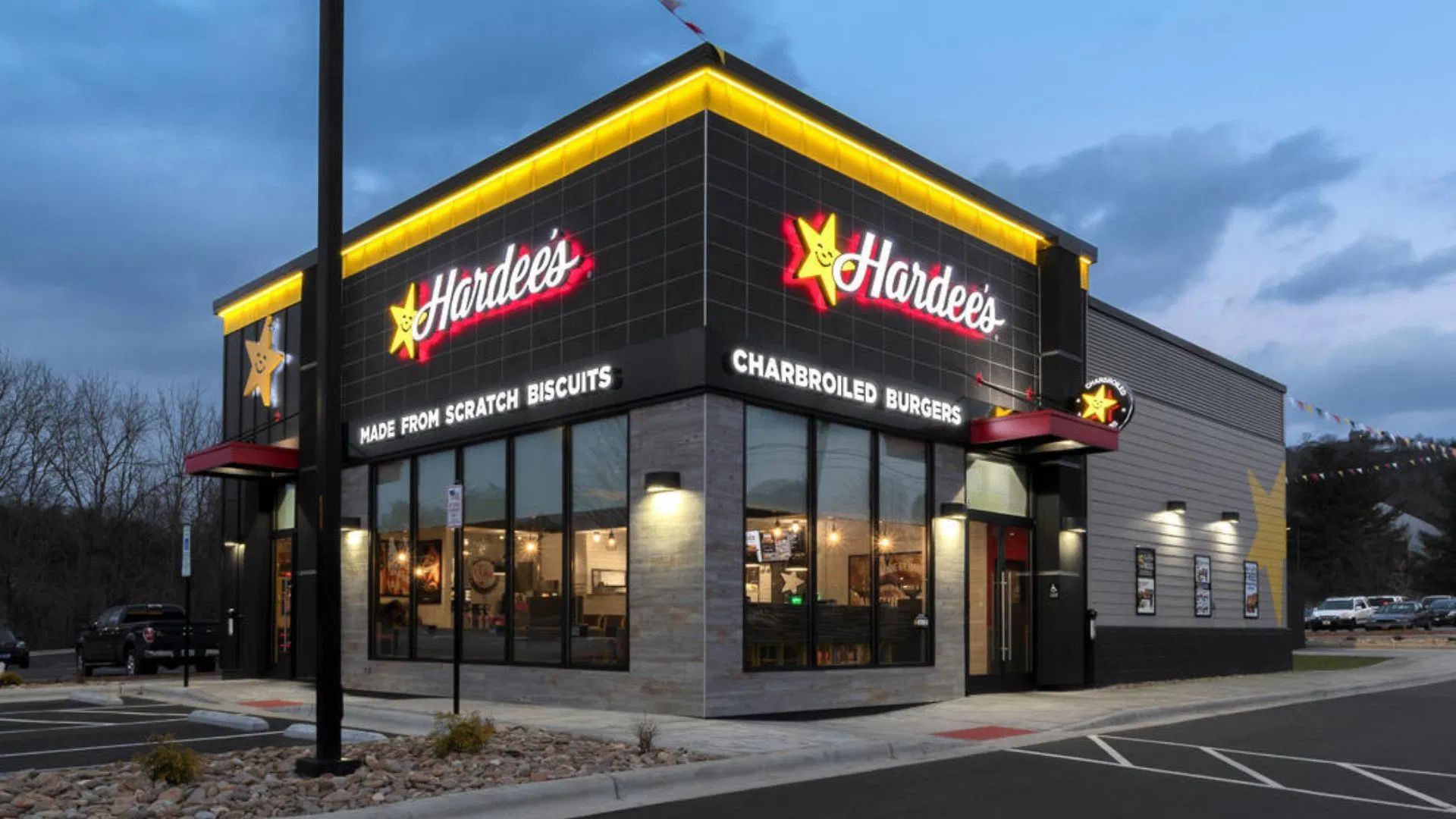
Hardee’s is a well-established fast-food brand recognized for its burgers, chicken items, and signature breakfast offerings. Since its founding in 1960, the company has built a strong reputation for serving hearty meals with a focus on taste and quality. Today, the brand operates across multiple regions, including the United States, the Middle East, and Pakistan, making it a globally recognized name in the quick-service restaurant industry.
This article explores the keyword “hardee’s” in depth by analyzing its history, business model, and growth strategy while providing valuable insights for readers seeking a comprehensive understanding of the brand.
History and Founding Background
The journey of Hardee’s began in Greenville, North Carolina, when founder Wilber Hardee opened the first restaurant in 1960.
Initially, the business was small, but its rapid success encouraged expansion through franchising. By the early 1960s, additional locations were established, laying the foundation for a growing fast-food chain. Over time, ownership changes and strategic decisions helped the brand evolve into a large-scale enterprise.
The acquisition by CKE Restaurants Holdings in 1997 marked a significant turning point, aligning Hardee’s with other major fast-food brands while allowing it to maintain its unique identity.
Business Model and Brand Identity
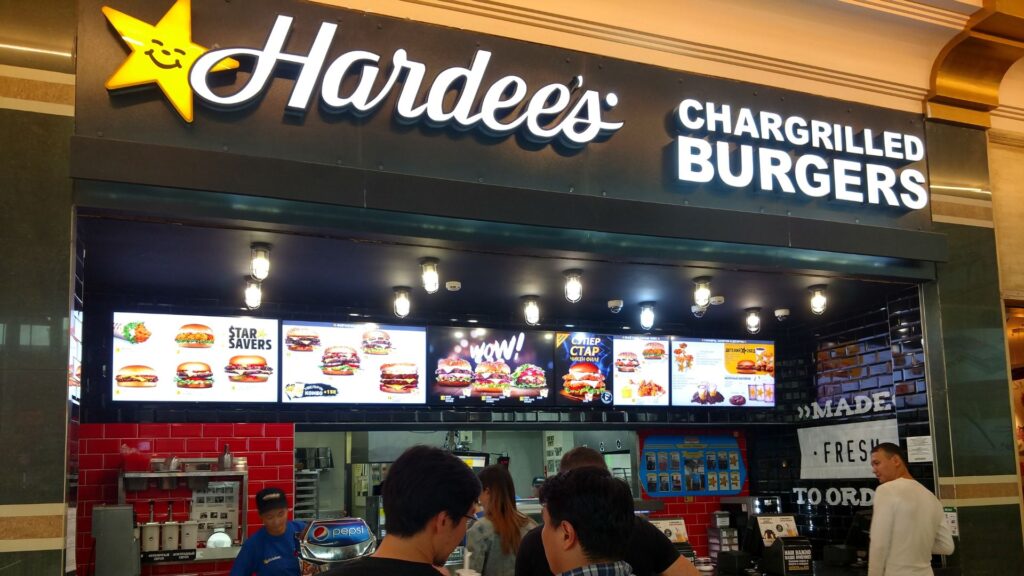
The success of Hardee’s lies in its franchising model. This structure allows independent operators to run locations while maintaining consistent quality and branding across all outlets.
Hardee’s focuses on a “homestyle” food concept, distinguishing itself from competitors by emphasizing freshly prepared items and hearty portions. This identity resonates with customers looking for comfort-style meals rather than just quick snacks.
The brand’s alignment with CKE Restaurants Holdings further strengthens its operational efficiency and global reach.
Menu Innovation and Product Strategy
One of the key strengths of Hardee’s is its diverse menu. The brand offers a wide range of items, including burgers, fried chicken, breakfast biscuits, and beverages.
Over the years, Hardee’s has continuously updated its menu to meet changing customer preferences. From introducing new chicken sandwiches to refreshing beverage options, the company ensures it stays relevant in a competitive market.
This strategy ensures that the keyword “hardee’s” remains associated with variety, taste, and innovation.
Global Expansion and Market Presence
Hardee’s has expanded far beyond its original U.S. market. The brand now operates in numerous countries across the Middle East, Asia, and beyond.
Pakistan is one of the key international markets where Hardee’s has gained popularity due to its premium fast-food positioning. The brand’s ability to adapt to local tastes while maintaining global standards has played a crucial role in its international success.
This global presence strengthens the keyword’s relevance in multiple regions, making it a powerful search term worldwide.
Customer Experience and Brand Positioning
Customer experience is central to the identity of Hardee’s. The brand focuses on delivering quality food in a comfortable environment, often positioning itself slightly above typical fast-food chains in terms of pricing and experience.
Hardee’s restaurants are designed to provide a casual dining feel, appealing to families, professionals, and young consumers alike. This positioning helps differentiate it from competitors that focus purely on speed and affordability.
Marketing Strategy and Competitive Edge
The marketing approach of Hardee’s has evolved over time. While earlier campaigns were bold and attention-grabbing, the brand has shifted toward a more family-friendly image.
Hardee’s competes with other major fast-food chains by emphasizing quality ingredients and distinctive menu items. Its ability to balance innovation with tradition gives it a strong competitive edge in the industry.
Digital Growth and Modern Trends
In the digital era, Hardee’s has embraced technology to enhance customer engagement. Mobile apps, online ordering, and loyalty programs are now integral parts of its strategy.
These initiatives not only improve convenience but also strengthen brand loyalty, ensuring that the keyword “hardee’s” continues to attract online searches and engagement.
Challenges and Opportunities

Like any global brand, Hardee’s faces challenges such as intense competition, changing consumer preferences, and economic fluctuations.
However, these challenges also present opportunities for growth. By focusing on healthier options, sustainability, and digital innovation, Hardee’s can continue to expand its market share and relevance.
Future Outlook of Hardee’s
The future of Hardee’s looks promising. With ongoing menu innovation, expanding global presence, and improved customer experience, the brand is well-positioned for continued success.
As the fast-food industry evolves, Hardee’s ability to adapt and innovate will determine its long-term growth.
Conclusion
Hardee’s has grown from a small restaurant in North Carolina to a global fast-food powerhouse. Its strong brand identity, diverse menu, and strategic expansion have made it a key player in the industry.
Understanding the keyword “hardee’s” involves more than just recognizing a brand—it requires analyzing its history, business model, and future potential.
FAQs
What is Hardee’s known for?
Hardee’s is known for its burgers, chicken items, and signature breakfast menu, especially its biscuits.
Who founded Hardee’s?
The company was founded by Wilber Hardee in 1960.
Is Hardee’s available internationally?
Yes, Hardee’s operates in multiple countries, including Pakistan and several Middle Eastern nations.
What makes Hardee’s different from competitors?
Its focus on homestyle meals, premium quality, and menu innovation sets it apart.
Who owns Hardee’s?
Hardee’s is owned by CKE Restaurants Holdings.
