

Diabetes is a long-term health condition that affects how the body uses blood sugar. It has become one of the most common health challenges worldwide, impacting people of all ages. Understanding is essential because early awareness can help prevent complications and improve quality of life. With the right approach, individuals can manage effectively and lead a healthy life.
What Is Diabetes and How It Affects the Body
Diabetes occurs when the body cannot properly regulate glucose levels in the bloodstream. Glucose is the primary source of energy for the body, but it needs insulin to enter the cells. When insulin is not produced in sufficient amounts or does not work effectively, glucose builds up in the blood.
Over time, high blood sugar levels can damage blood vessels, nerves, and vital organs. This is why requires careful management and regular monitoring to avoid serious health problems.
Types of Diabetes Explained
There are different types of diabetes, each with its own causes and characteristics.
Type 1 Diabetes:
This type develops when the immune system attacks insulin-producing cells. People with this condition require insulin injections for survival.
Type 2 Diabetes:
The most common form of it occurs when the body becomes resistant to insulin or fails to produce enough. It is often linked to lifestyle factors.
Gestational Diabetes:
This type occurs during pregnancy and usually resolves after childbirth, but it increases the risk of developing type 2 diabetes later in life.
Common Causes and Risk Factors

Several factors can increase the likelihood of developing These include genetic predisposition, unhealthy eating habits, lack of physical activity, and excess body weight. Environmental factors and hormonal changes can also contribute.
Understanding these risk factors allows individuals to take preventive measures and make healthier lifestyle choices.
Early Signs and Symptoms
Recognizing the early symptoms of diabetes is crucial for timely treatment. Common signs include frequent urination, increased thirst, fatigue, blurred vision, and slow healing of wounds.
Some individuals may not notice symptoms in the early stages, especially in type 2 diabetes. This makes regular health checkups important for early detection.
Diagnosis and Medical Testing
Diabetes is diagnosed through blood tests that measure glucose levels. These tests help determine whether blood sugar is within a normal range or indicates a problem.
Early diagnosis plays a vital role in preventing complications. Individuals at higher risk should undergo regular screenings to monitor their health status.
Effective Treatment Options
Managing requires a combination of medical care and lifestyle adjustments. Treatment may involve insulin therapy, oral medications, and regular monitoring of blood sugar levels.
Healthcare providers often create personalized treatment plans based on the individual’s needs. Following these plans consistently is essential for maintaining stable blood sugar levels.
Lifestyle Changes for Better Control
Lifestyle changes are one of the most effective ways to manage A balanced diet that includes whole grains, vegetables, and lean proteins can help regulate blood sugar.
Regular physical activity improves insulin sensitivity and overall health. Maintaining a healthy weight and managing stress also play important roles in controlling
Long-Term Complications and Risks
If diabetes is not properly managed, it can lead to serious complications. These include heart disease, nerve damage, kidney problems, and vision loss.
The risk of complications increases when blood sugar levels remain high for long periods. Proper management and regular checkups can significantly reduce these risks.
Prevention Strategies and Daily Habits
While not all types of diabetes can be prevented, adopting healthy habits can reduce the risk of developing type 2 diabetes. Eating a nutritious diet, staying active, and maintaining a healthy weight are key preventive measures.
Simple daily habits, such as walking regularly and avoiding excessive sugar intake, can make a big difference over time.
Importance of Regular Monitoring
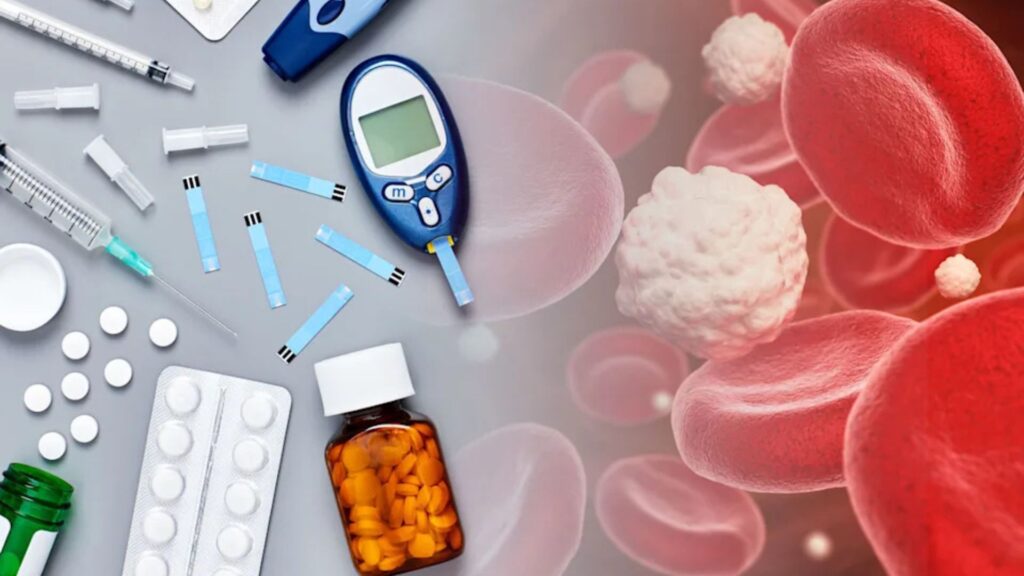
Monitoring blood sugar levels is essential for managing diabetes effectively. It helps individuals understand how their body responds to food, exercise, and medication.
Regular checkups with healthcare professionals ensure that any potential issues are identified early and addressed promptly.
Conclusion
Diabetes is a manageable condition that requires awareness, discipline, and consistent care. By understanding its causes, symptoms, and treatment options, individuals can take control of their health. Early diagnosis and healthy lifestyle choices are key to preventing complications and living a balanced life.
FAQs
What is diabetes?
Diabetes is a condition where the body cannot properly regulate blood sugar levels.
What are the early signs of diabetes?
Frequent urination, thirst, fatigue, and blurred vision are common early symptoms.
Can diabetes be controlled?
Yes, diabetes can be managed through medication, diet, and lifestyle changes.
Is diabetes preventable?
Type 2 diabetes can often be prevented with healthy habits.
Why is monitoring important?
Monitoring helps maintain stable blood sugar levels and prevents complications.
