
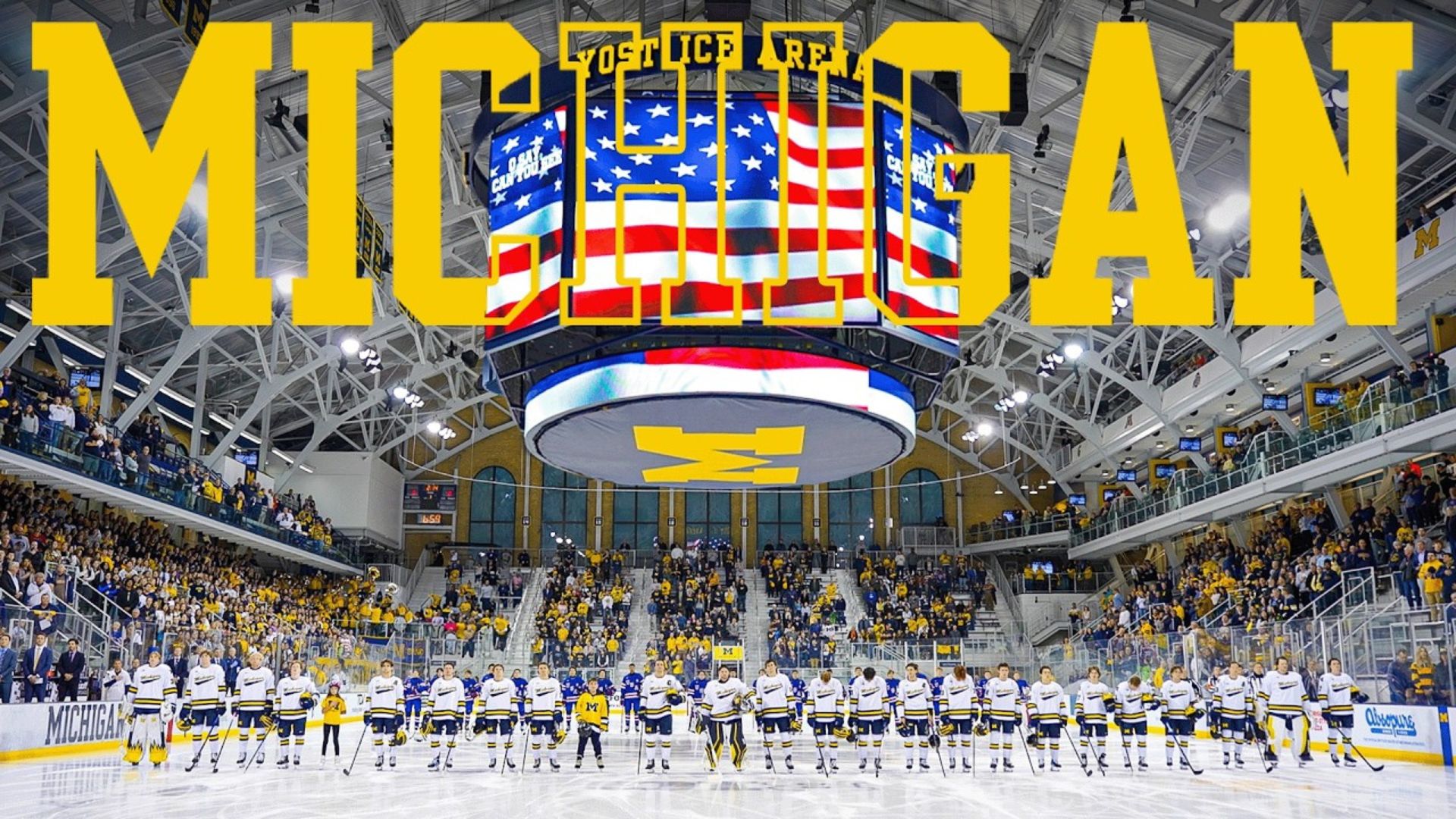
Michigan hockey has long been recognized as one of the most successful and influential programs in college athletics. With a history rooted in excellence and a reputation built on consistency, the program has played a major role in shaping the identity of NCAA ice hockey. Over the years, Michigan hockey has established itself as a symbol of tradition, performance, and innovation.
From its early years to its modern success, the program has maintained a strong presence in national competitions. Its ability to adapt to evolving styles of play while preserving its core identity is one of the key reasons behind its sustained dominance.
Early Foundations and Rise
The origins of Michigan hockey trace back to the early 20th century, but its rise to national prominence began in the late 1940s. During this time, college hockey was still developing, and Michigan quickly emerged as a dominant force.
The program achieved a historic milestone by winning the first NCAA men’s ice hockey championship in 1948. This victory laid the groundwork for future success and established Michigan hockey as a pioneer in the sport.
Throughout the following decade, the team continued to excel, capturing multiple titles and setting high standards for performance. These early achievements helped define the culture of excellence that still exists today.
Championship Legacy
One of the most remarkable aspects of Michigan hockey is its championship legacy. The program has secured nine NCAA national championships, placing it among the elite in college hockey history.
These titles were not confined to a single era but spread across multiple decades, showcasing the program’s ability to remain competitive over time. In addition to championships, Michigan hockey has consistently made deep runs in national tournaments.
Frequent appearances in the Frozen Four further highlight the program’s consistency. This level of sustained success is rare and reflects a combination of strong leadership, talented players, and a winning mindset.
Coaching Influence
Coaching has played a vital role in shaping Michigan hockey into the powerhouse it is today. Over the years, several legendary coaches have guided the program and contributed to its success.
These coaches emphasized discipline, teamwork, and skill development. Their leadership not only resulted in victories but also helped establish a culture of accountability and excellence.
The coaching philosophy has always focused on long-term development rather than short-term gains. This approach has allowed Michigan hockey to maintain its competitive edge while consistently producing high-quality players.
Player Development System
Michigan hockey is widely known for its exceptional player development system. The program serves as a stepping stone for athletes aspiring to compete at the highest levels of the sport.
Players benefit from advanced training methods, competitive game experience, and a strong support system. This environment helps them refine their skills and prepare for professional careers.
Over the years, many players from Michigan hockey have successfully transitioned to professional leagues. This consistent output of talent reinforces the program’s reputation and attracts top recruits from across the globe.
Rivalries
Rivalries are an integral part of Michigan hockey’s identity. Among the most notable is the intense competition with Michigan State.
These matchups are known for their high energy, passionate fan base, and competitive intensity. Rivalry games often carry significant importance, influencing rankings and postseason opportunities.
Such rivalries not only enhance the excitement of the sport but also push the team to perform at its best. They contribute to the rich tradition and enduring appeal of Michigan hockey.
Modern Era Performance
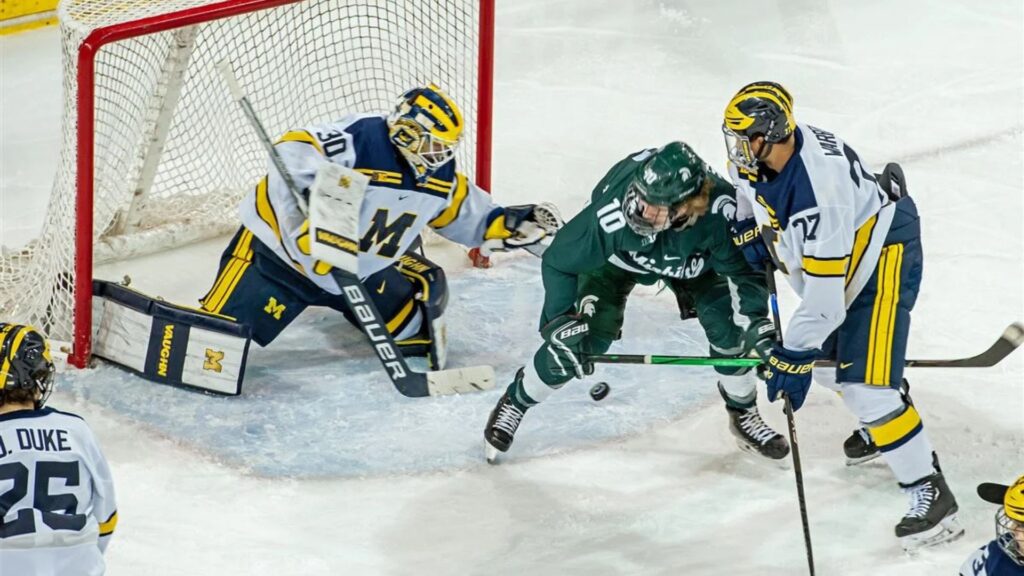
In the modern era, Michigan hockey continues to demonstrate its strength and relevance. The team consistently competes at a high level and remains a strong contender in national tournaments.
Recent seasons have showcased a balanced roster with a combination of experienced players and emerging talent. The team’s ability to maintain offensive pressure while staying defensively sound has been a key factor in its success.
Advancements in training, analytics, and game strategy have further strengthened the program. These innovations ensure that Michigan hockey remains competitive in an ever-evolving sport.
Strengths of Michigan Hockey
Michigan hockey possesses several strengths that contribute to its continued success.
First, the program is known for its offensive capabilities. The team often features multiple scoring lines, making it difficult for opponents to contain.
Second, recruiting remains a major advantage. Michigan consistently attracts some of the best young players, ensuring a steady flow of talent.
Third, the program benefits from a strong organizational structure. From coaching staff to support personnel, every aspect is aligned toward achieving success.
Finally, the team’s balanced composition allows it to adapt to different styles of play. This versatility is crucial in high-stakes competitions.
Challenges
Despite its many strengths, Michigan hockey faces several challenges. The level of competition in college hockey continues to rise, with other programs investing heavily in talent and resources.
Player turnover is another challenge. As top players move on to professional careers, the team must continuously rebuild and integrate new talent.
Additionally, the evolving nature of the sport requires constant adaptation. Teams must embrace new strategies, technologies, and training methods to stay ahead.
Addressing these challenges is essential for maintaining long-term success.
Future Outlook
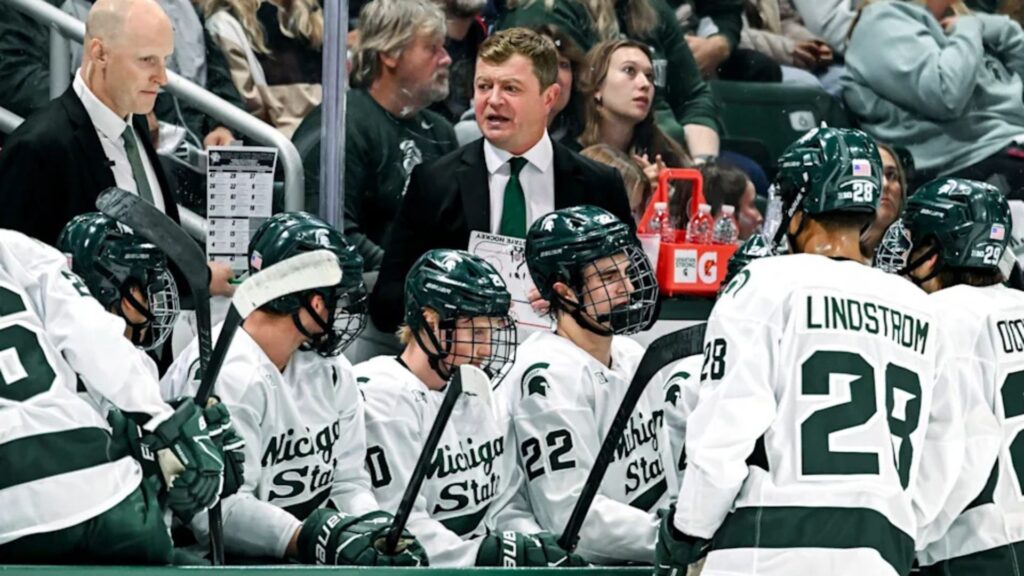
The future of Michigan hockey appears bright. With a strong foundation, effective recruiting system, and commitment to excellence, the program is well-positioned for continued success.
Emerging talent and innovative coaching strategies will play a crucial role in shaping the next chapter of Michigan hockey. The program’s ability to blend tradition with modern approaches gives it a unique advantage.
As college hockey continues to evolve, Michigan is expected to remain a leading force. Its legacy of excellence ensures that it will continue to compete for championships and inspire future generations.
Conclusion
Michigan hockey has built a legacy that few programs can match. From its early dominance to its modern achievements, the program has consistently set the standard for excellence in college hockey.
Its combination of championship success, player development, and strong leadership makes it one of the most respected programs in the sport. While challenges remain, the future looks promising.
Michigan hockey is not just a team; it is a tradition of greatness that continues to evolve and inspire.
FAQs
How many championships does Michigan hockey have?
Michigan hockey has won nine NCAA national championships, making it one of the most successful programs.
What makes Michigan hockey unique?
Its combination of tradition, strong coaching, and player development sets it apart from other programs.
Does Michigan hockey produce professional players?
Yes, many players have advanced to professional leagues due to the program’s strong development system.
Who are Michigan hockey’s main rivals?
Michigan State is one of the biggest rivals, known for intense and competitive matchups.
What is the future of Michigan hockey?
The program is expected to remain competitive with strong recruiting, coaching, and continued innovation.
