
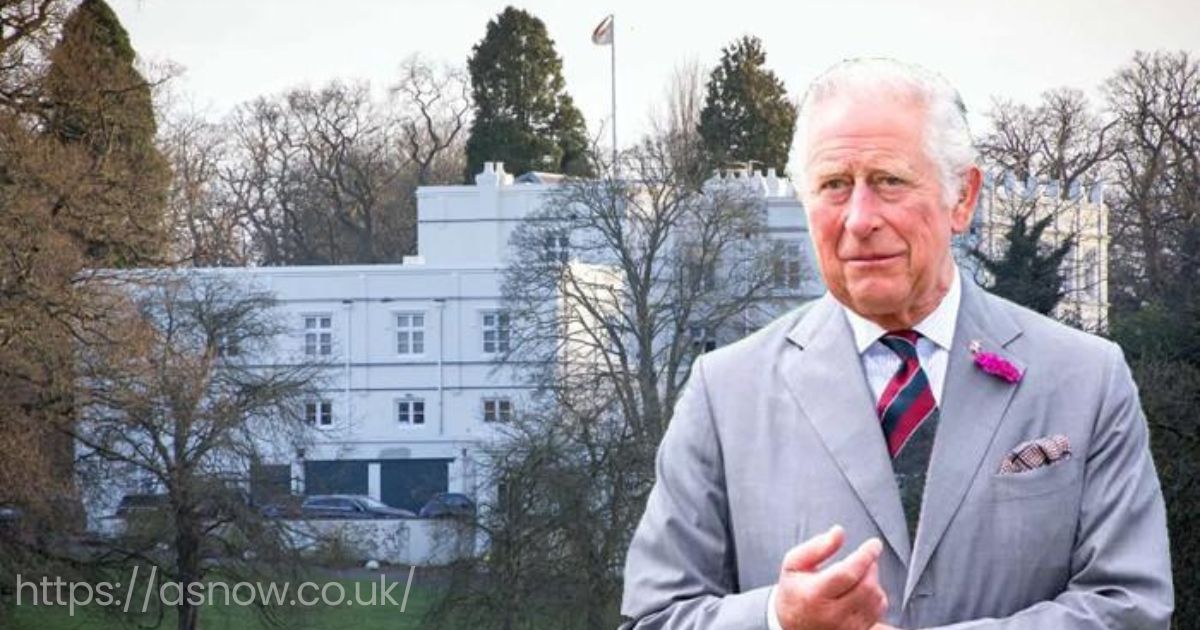
Royal Lodge, situated in Windsor Great Park, has recently become a focal point of public attention. This historic estate has long served as a private residence for senior members of the British royal family. Recent developments concerning its occupancy, lease arrangements, and management have sparked widespread discussion. The term “royal lodge news” now typically refers to updates about these changes, highlighting issues around property, public accountability, and royal privileges. This article delves into the estate’s history, recent events, and their implications for both the royal family and the wider public.
Historical Background of Royal Lodge
Royal Lodge has a rich history that dates back several centuries. Originally a smaller structure, it gradually developed into the residence known today. The estate has been associated with various members of the royal family over time. In the 20th century, it became particularly notable as the home of the Queen Mother for a number of years. More recently, it was occupied by Prince Andrew, Duke of York, and his former wife, Sarah Ferguson. The property spans approximately 40 hectares and includes numerous cottages and auxiliary buildings, making it one of the most significant royal estates in Windsor Great Park. Its architecture, scale, and setting reflect both historical traditions and the prestige associated with royal residences.
Lease and Occupancy Arrangements
One of the key points of interest surrounding Royal Lodge is its lease arrangement. Prince Andrew obtained a long-term lease that allowed him to reside in the estate with his family. The lease required a one-time payment and a commitment to carry out major renovations, while the annual rent remained nominal. This arrangement, often referred to as a “peppercorn” lease, meant the occupant effectively paid very little to live in a property of immense value. While the lease provided stability and security for the occupant, it also became a source of public scrutiny, as critics questioned the fairness and transparency of allowing such a significant estate to be occupied at minimal cost.
Recent Developments and Changes
The Royal Lodge has recently been at the center of notable changes. The current King has formally requested that Prince Andrew surrender the lease, marking the end of his long-term residence at the estate. This decision accompanies broader adjustments within the royal household and reflects ongoing attention to reputation, accountability, and public perception. As a result, the Lodge is expected to transition to new occupants or purposes. These developments have attracted significant media coverage, not only because of the personal circumstances of the occupants but also due to the symbolic importance of the estate within the royal family.
Financial and Public Value Considerations
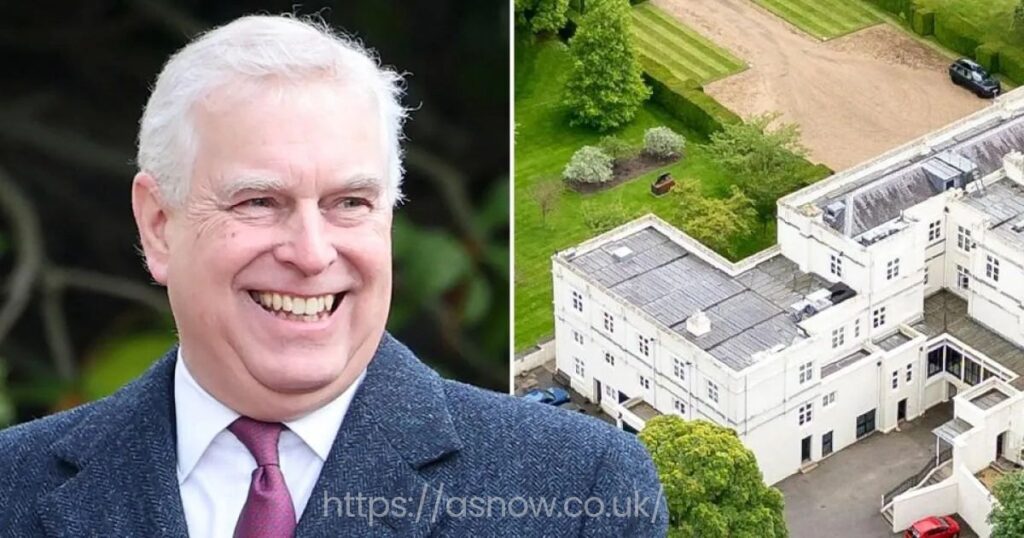
The Royal Lodge is a property of considerable value, estimated in the tens of millions. Its maintenance, including the upkeep of extensive gardens and outbuildings, represents a substantial annual expense. While the lease arrangement meant the occupant contributed to major refurbishments, the ongoing costs and minimal rent have raised questions about public interest. Many observers highlight the importance of ensuring that royal properties are managed in a way that balances tradition with transparency and responsible stewardship of valuable assets. These financial considerations remain central to discussions about the Lodge’s future and the broader management of royal estates.
Implications for the Royal Household
Changes at Royal Lodge have broader implications for the royal family. They illustrate how the household navigates issues of privilege, responsibility, and public scrutiny. The departure of a senior royal from a prominent residence signals a willingness to adapt traditions to contemporary expectations. It also demonstrates a commitment to reviewing property arrangements to ensure they align with modern standards of accountability. For the public, these events offer insight into how the monarchy manages its private residences, balances personal and institutional interests, and addresses issues that could affect its reputation.
Future Prospects for Royal Lodge
Looking ahead, Royal Lodge may serve different functions depending on new occupancy decisions. It could be leased to another senior royal, repurposed for alternative use, or maintained as a high-profile historic residence. The transition process will involve careful consideration of lease terms, upkeep responsibilities, and public interest. How the estate is managed in the coming years may set a precedent for other royal properties, influencing policies regarding leases, rent, and maintenance of valuable royal estates.
Conclusion
Royal Lodge stands as more than just a residence; it is a symbol of tradition, privilege, and continuity within the British monarchy. The recent developments surrounding its lease and occupancy highlight evolving standards of accountability and public expectation. As the estate transitions to new arrangements, it offers a window into how the royal household balances heritage with contemporary demands. Royal Lodge news is, therefore, not only about a physical estate but also about the broader story of modern monarchy, property management, and institutional transparency.
FAQs
What is Royal Lodge news?
Royal Lodge news refers to updates about the estate, including occupancy changes, lease arrangements, financial considerations, and management decisions. It often reflects developments in the royal household and public interest.
Who has lived at Royal Lodge?
Prince Andrew and Sarah Ferguson occupied the estate for several years under a long-term lease. Previously, other members of the royal family, including the Queen Mother, have resided there.
Why is Royal Lodge in the news now?
The estate is in the news because the current King requested that Prince Andrew surrender his lease. This marks a significant change in occupancy and has attracted public and media attention.
How valuable is Royal Lodge?
The estate is worth tens of millions and includes extensive gardens, cottages, and other buildings. Maintenance costs are also substantial, contributing to public interest in how it is managed.
What happens next for Royal Lodge?
The property may be assigned to new occupants, repurposed, or maintained as a historic royal residence. Future management decisions will consider lease terms, maintenance responsibilities, and public interest.
Does the Crown Estate own Royal Lodge?
The Crown Estate holds the freehold, while the occupant holds a lease. The recent changes affect occupancy, not ownership.
What does this mean for the monarchy?
The developments reflect a shift toward transparency, accountability, and modernization within the royal household, balancing tradition with contemporary expectations.
