
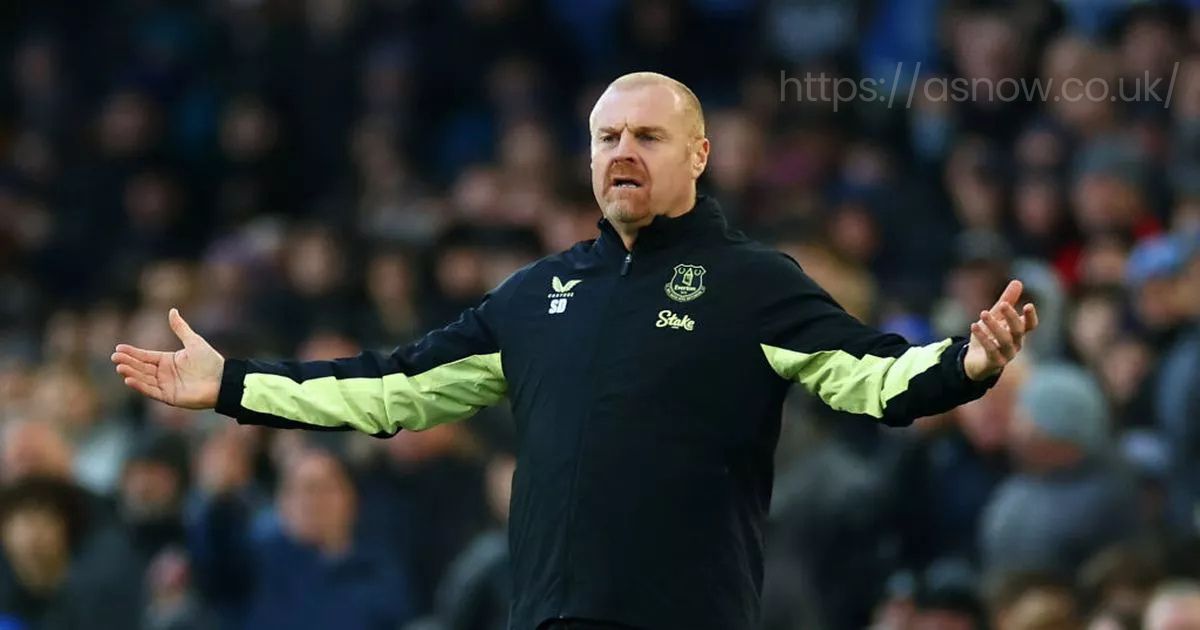
Sean Dyche stands as one of the most recognizable and respected managers in English football. His gravelly voice, commanding presence, and reputation for discipline have made him an enduring figure in the sport. Known for his honesty, structure, and ability to build strong, unified squads, Dyche has shaped his managerial philosophy around the core values of hard work, teamwork, and adaptability. Unlike many modern managers who rely on flair and complex systems, Dyche believes in mastering the fundamentals organization, fitness, and belief. His journey from player to Premier League manager tells the story of resilience and true football craftsmanship.
Early Life and Playing Journey
Born in Kettering, England, in June 1971, Sean Dyche’s journey began with the raw energy of grassroots football. His early development at Nottingham Forest introduced him to the tactical discipline of English football, but it was at Chesterfield where he made his professional mark. As a tough and vocal central defender, Dyche’s leadership and commitment quickly earned him respect on and off the field.
Throughout his career, he played for clubs such as Bristol City, Millwall, Watford, and Northampton Town. Although he never became a household Premier League star, his years in the lower divisions gave him a deep understanding of the game’s human side hard graft, unity, and mentality. These experiences shaped his perspective as a manager, helping him understand how to build teams that can fight, survive, and succeed regardless of budget.
Rise in Coaching and Philosophy Formation
After hanging up his boots in 2007, Dyche’s transition into coaching was swift. He began his post-playing career at Watford, working with youth players before progressing to assistant manager and later head coach. His leadership qualities shone through as he built a reputation for honesty, intensity, and strategic thinking.
Dyche’s coaching philosophy developed around three main pillars: defensive organization, work ethic, and unity. He believes that every player must understand his role, every match demands total effort, and every setback is a learning opportunity. These values became the foundation of his managerial identity a blend of old-school English toughness with modern adaptability.
Breakthrough at Burnley
Sean Dyche’s career-defining chapter began in 2012 when he was appointed manager of Burnley FC. Taking charge of a modest club with limited financial backing, he faced the challenge of building a Premier League-caliber team from the ground up. Through strategic recruitment, relentless motivation, and a strong team culture, Dyche achieved what many thought impossible.
Under his leadership, Burnley secured promotion to the Premier League twice and even reached a seventh-place finish in the 2017–18 season a result that earned them European qualification. Dyche turned Turf Moor into a fortress, making Burnley one of the hardest teams to beat in England’s top tier. His straightforward approach built around compact defense, direct play, and mental strength earned widespread respect.
At Burnley, Dyche proved that success doesn’t always require massive spending. His ability to maximize player potential showed that with structure and belief, smaller clubs could challenge the giants.
Everton Challenge and Lessons Learned
In 2023, Dyche accepted a new challenge as manager of Everton FC. The Toffees were in turmoil, battling to avoid relegation and struggling with identity. Dyche arrived with a mission: restore stability, rebuild confidence, and bring back structure. He immediately instilled discipline in the squad, improving defensive performances and guiding the club to safety that season.
However, managing Everton presented new complexities. The club’s larger fanbase, financial constraints, and high expectations created a different type of pressure. Dyche’s no-nonsense methods, while effective, sometimes clashed with the demand for more expansive football. Despite periods of progress, inconsistency and ownership instability ultimately led to his departure.
Even so, Dyche’s spell at Everton added depth to his career. It taught him adaptability, communication at a larger scale, and the importance of managing personalities under the spotlight.
Return to Nottingham Forest
In 2025, Dyche returned to his roots, taking charge of Nottingham Forest the very club where his football journey began. The appointment carried emotional weight and professional promise. Forest, rich in history but struggling for stability, saw Dyche as the perfect leader to restore balance and unity.
His return symbolized a full-circle moment: from a young defender learning his craft to an experienced manager tasked with preserving the club’s Premier League status. Dyche brought his trademark structure, discipline, and motivational style, quickly earning respect among players and fans. His early work focused on tightening defense, improving mentality, and reestablishing the team’s competitive edge.
Tactical Identity and Leadership Style
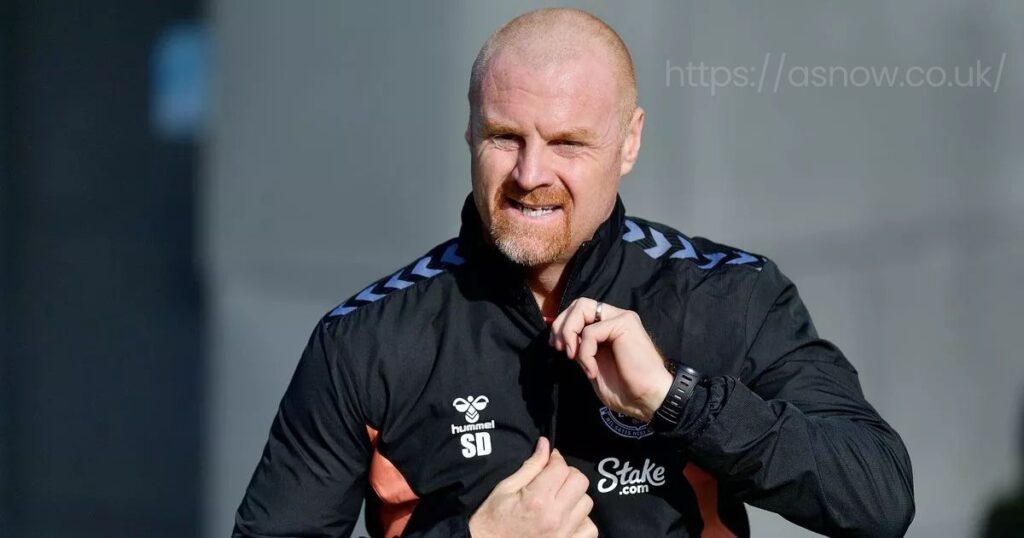
Sean Dyche’s tactical identity is rooted in clarity and efficiency. He often favors formations such as the 4-4-2 or 4-2-3-1, ensuring a compact defensive shape and cohesive team play. His teams are renowned for their physical strength, aerial dominance, and effective transitions.
But beyond tactics, Dyche’s leadership is his most defining trait. He believes in clear communication, accountability, and collective responsibility. Every player under his management knows what is expected of them. Dyche promotes an environment where effort is non-negotiable and excuses are unacceptable. His locker room philosophy based on honesty, trust, and shared goals creates resilient teams that fight for every inch of the pitch.
He’s not the manager who demands artistic football; instead, he demands commitment, courage, and consistency.
Legacy and Lasting Impact
Sean Dyche’s legacy extends far beyond his win records. He symbolizes the enduring power of structure and belief in modern football. His success at Burnley stands as a blueprint for smaller clubs aiming to compete with elite teams on limited resources. By prioritizing organization and mental toughness, Dyche showed that a unified, well-drilled squad could overcome financial disparities.
He has also influenced a new generation of English coaches, emphasizing that personality, resilience, and tactical simplicity still hold value. Dyche’s voice both literally and figuratively resonates across football as a reminder that passion, planning, and purpose are timeless tools for success.
The Road Ahead
As Dyche continues his journey at Nottingham Forest, his next challenge lies in evolving without losing his identity. Modern football demands adaptability, and Dyche is showing a willingness to refine his tactics while preserving his values. His focus will likely remain on stability, smart recruitment, and building a squad with heart and hunger.
If he guides Forest to safety and consistent performances, Dyche could once again write a story of redemption and resilience. His career so far proves that football isn’t only about glamour it’s about character, conviction, and the courage to stay true to your principles.
FAQs
Who is Sean Dyche?
Sean Dyche is an English football manager and former professional defender known for his strong leadership, tactical discipline, and no-nonsense approach.
What is Sean Dyche best known for?
He is best known for his long and successful tenure at Burnley, where he led the club to multiple Premier League promotions and European qualification.
What is Sean Dyche’s coaching philosophy?
Dyche’s philosophy revolves around teamwork, resilience, and structure. He emphasizes defensive stability, high work rate, and unity.
What formation does Dyche typically use?
He often employs a 4-4-2 or 4-2-3-1 formation, focusing on compact defense and effective counterattacks.
What challenges did Dyche face at Everton?
At Everton, Dyche faced high expectations and internal instability but succeeded in restoring discipline and preventing relegation.
