
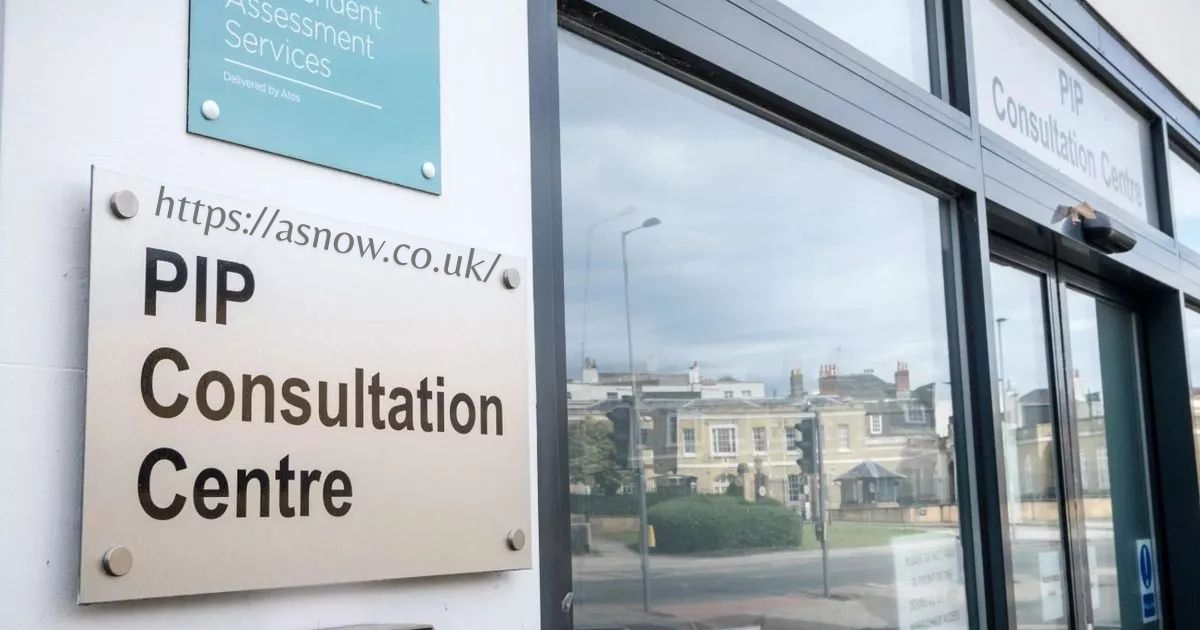
The term “PIP news” covers all the latest updates and changes related to the Personal Independence Payment in the UK. This benefit supports adults who face extra living costs because of a disability or long-term health condition.
In recent months, PIP has become one of the most discussed welfare topics in Britain. The government is reviewing how the system works, and there are debates about who qualifies, how assessments take place, and how fair the process is. Each announcement or policy proposal adds a new chapter to the ongoing “PIP news” story — one that affects millions of people.
What Is Personal Independence Payment (PIP)
Personal Independence Payment, often called PIP, is a benefit that helps people manage the extra costs of disability or poor health. It is not means-tested, meaning your income and savings do not decide your eligibility.
PIP has two parts: the Daily Living Component and the Mobility Component. You may get one or both, depending on how your condition affects you. Each part has two rates — standard and enhanced. The rate depends on how severe your difficulties are in daily living and moving around.
The assessment focuses on how your condition affects your daily activities, not just the medical diagnosis. Two people with the same condition might receive different awards depending on their personal circumstances.
Major Updates and Government Announcements
Recent PIP news has highlighted several key developments. The most significant is the government’s decision to carry out a full review of the benefit. This review aims to make PIP fairer and more suitable for future needs. It will look at how assessments are carried out, how eligibility is defined, and whether current rules fit modern life.
Another major story in PIP news is the proposal to tighten eligibility rules. Some ministers have suggested increasing the points required to qualify for support. Many disability campaigners believe these changes could leave thousands without help. They warn that people who rely on PIP to cover essential costs may struggle to cope if these reforms take effect.
Following public concern, the government confirmed that existing claimants will continue receiving their payments. Future claimants, however, could see different rules once the review ends. This clarification eased some fears but did not end the debate about fairness and accessibility.
The Key Issues in the Debate
The “PIP news” discussion involves three major issues: eligibility, assessments, and fairness.
Eligibility remains the most contested. The government wants to ensure PIP goes to those who need it most. However, advocacy groups worry that tougher rules could exclude people with invisible or fluctuating conditions such as chronic pain or mental health disorders.
The assessment process is another major concern. Claimants often describe it as stressful and inconsistent. Some assessments are remote or over the phone, which can make it hard to explain real-life challenges. Many people want better-trained assessors and more opportunities for face-to-face evaluations.
Finally, the debate over fairness is central. PIP gives many people independence, confidence, and dignity. Reducing access could damage quality of life for those who already face significant barriers. This emotional and social impact is a big part of what makes “PIP news” so important.
Reactions from the Public and Politicians

Reactions to the latest PIP updates have been strong and diverse. Disability organisations and charities have spoken out against proposed restrictions. They argue that disabled people already face higher costs for care, transport, and daily needs. Reducing PIP would make their lives even harder.
Claimants have also shared their experiences and fears. Many say they feel anxious about the future, worried that reassessments or new rules might reduce their income. Some have described the application process as confusing and emotionally draining.
Politicians are divided. Some support reform to control costs and modernise the benefit. Others argue that saving money should never come at the expense of disabled people’s independence. Economists and think tanks have joined the debate, warning that short-term cuts could create long-term problems by increasing poverty and demand for other services.
What Claimants Should Do Now
If you currently receive PIP or plan to apply soon, staying informed is vital. Here are practical steps to help you navigate these changes:
- Stay updated — Follow official announcements and reliable news about PIP reforms.
- Check your award — Review your PIP letter to understand what parts you receive and for how long.
- Prepare your evidence — Keep medical records, letters, and personal notes that describe how your condition affects your daily life.
- Be clear in assessments — Explain your challenges in everyday terms. Use examples that show what you can or cannot do safely and repeatedly.
- Seek support — Contact disability charities or welfare advisors for help if you face a reassessment or appeal.
Being proactive helps reduce stress and ensures you are ready if changes occur. Even if new rules appear, strong evidence and preparation can make your case clearer.
The Future of PIP in the UK
Looking ahead, “PIP news” suggests that the benefit will remain a major part of the UK’s welfare system — though it may evolve. The ongoing government review will likely lead to new recommendations on eligibility, assessments, and support structure.
Future reforms could focus on making the system more transparent and efficient. Policymakers are also exploring ways to better recognise fluctuating or hidden disabilities. This may involve new guidance for assessors or more flexible scoring methods.
Balancing fairness with financial sustainability will remain a challenge. The goal is to create a benefit that supports independence while being fair to taxpayers. Whatever the outcome, “PIP news” will continue to shape conversations about disability rights and social support in the UK.
Conclusion
The ongoing “PIP news” story reflects the balance between fairness, financial control, and human dignity. Personal Independence Payment is more than financial support — it is a symbol of independence for many disabled people across the UK.
As the government review continues, staying informed and prepared is the best strategy for claimants. Change can bring uncertainty, but it can also create opportunities for a fairer, clearer, and more compassionate benefit system.
FAQs
What does “PIP news” mean?
It refers to the latest information, updates, and discussions about the UK’s Personal Independence Payment, including reviews, reforms, and public reactions.
Who can claim PIP?
Anyone aged 16 or older but under State Pension age who has a long-term health condition or disability that affects daily living or mobility can apply.
Have there been confirmed changes to PIP?
No major changes have taken effect yet. However, a government review is underway, and updates are expected in the coming months.
Will existing claimants lose their benefits?
Current claimants are expected to keep their awards. The proposed reforms mainly target new applications and future assessments.
What can I do to prepare for changes?
Keep updated, gather medical evidence, and understand how your condition affects your daily life. If you receive review letters, respond promptly and seek advice if unsure.
Why is there so much debate about PIP?
Because PIP affects millions of people and plays a key role in supporting independence. The government wants to manage costs, while campaigners focus on protecting fairness and dignity.
When will the review finish?
The review is expected to conclude next year, with possible policy changes introduced afterward. https://asnow.co.uk/
