
Krispy Kreme is one of the most recognizable doughnut brands in the world, known for its soft texture, signature glaze, and fresh production process. From its humble beginnings in the United States to becoming a global food chain, Krispy Kreme has built a strong reputation based on quality, consistency, and innovation. The brand’s famous “Hot Now” experience, which signals freshly made doughnuts, continues to attract customers and enhance its identity.
Today, Krispy Kreme operates across multiple continents, serving millions of customers and adapting to changing consumer preferences while maintaining its traditional appeal.
The Origin and Early Growth
Krispy Kreme was founded in 1937 by Vernon Rudolph in North Carolina. Initially, the business focused on supplying doughnuts to local grocery stores. However, the irresistible aroma of freshly baked doughnuts drew the attention of passersby, prompting direct sales to customers.
During the mid-20th century, Krispy Kreme expanded steadily across the southeastern United States. By the 1960s, it had become a well-established regional brand. The company’s emphasis on quality ingredients and consistent taste played a major role in its early success.
Signature Products and Menu Evolution
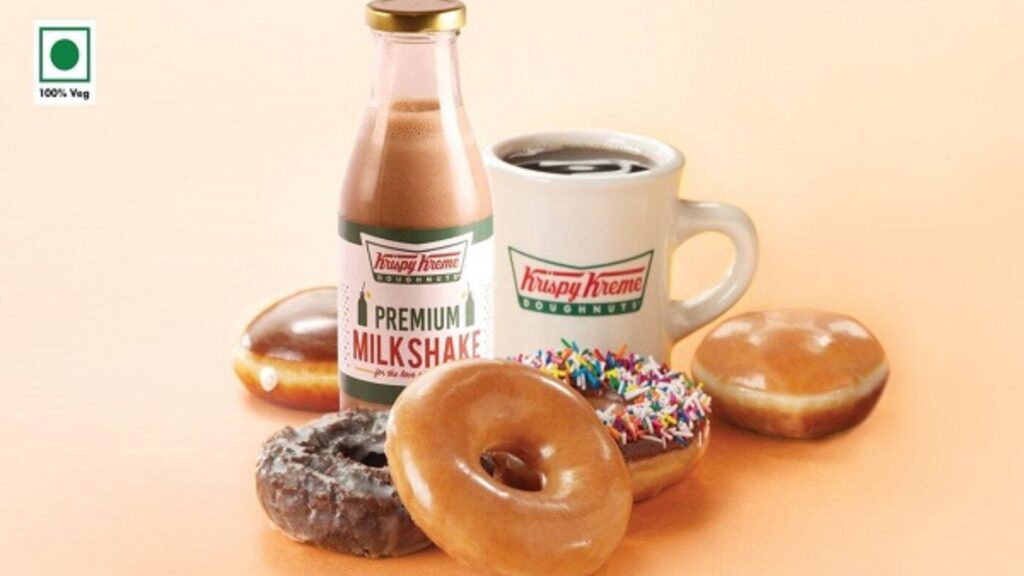
The Original Glazed doughnut remains the cornerstone of Krispy Kreme’s product lineup. Known for its light and fluffy texture, this product has become synonymous with the brand.
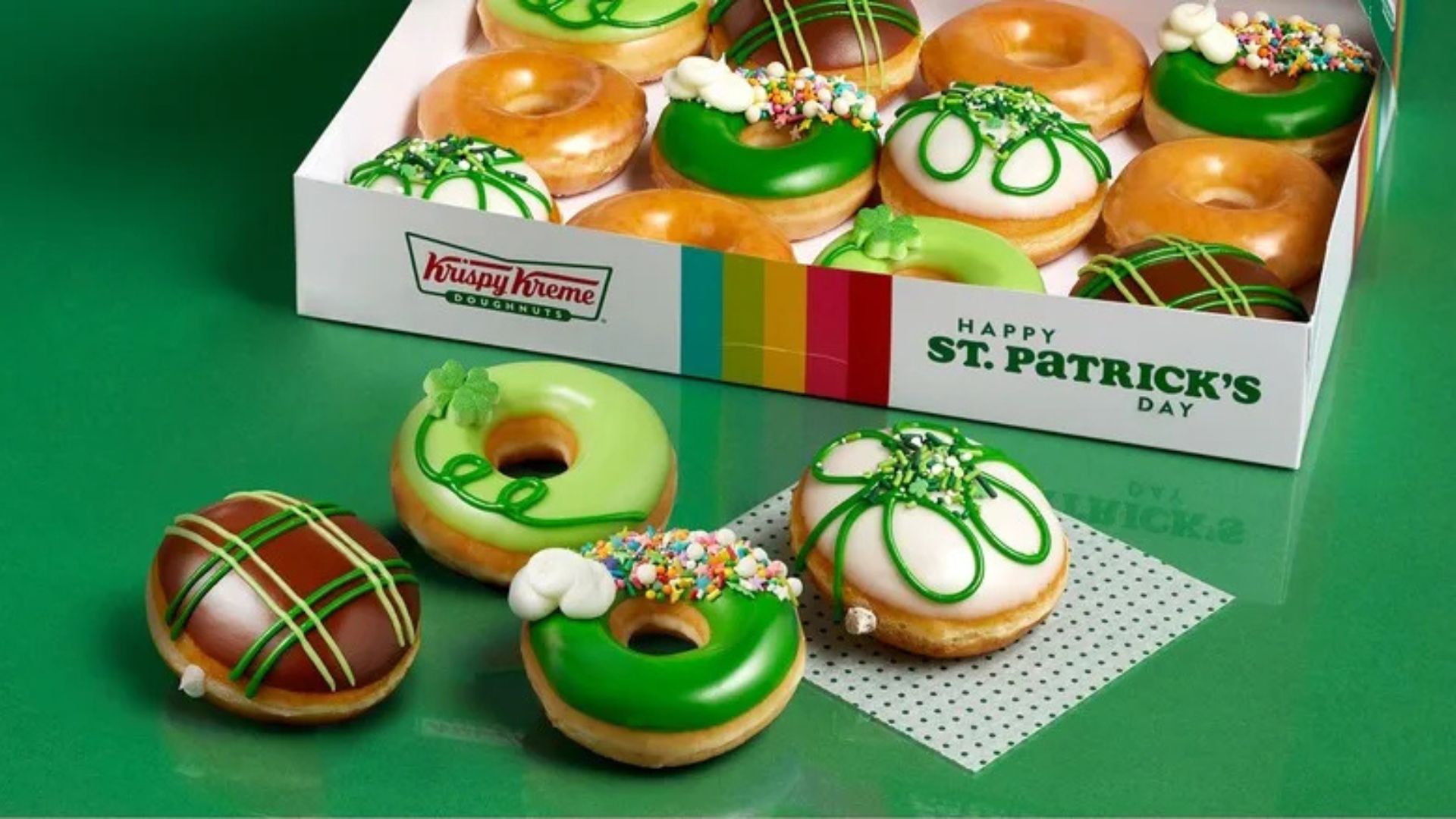
Over time, Krispy Kreme has expanded its menu to include filled doughnuts, chocolate-coated varieties, and specialty beverages. Seasonal offerings and limited-edition flavors have also become an important part of its strategy. These items help keep the brand fresh and exciting, attracting both loyal customers and new audiences.
The company frequently introduces new flavors based on customer preferences and market trends, ensuring its menu evolves while maintaining its core identity.
Global Expansion Strategy
Krispy Kreme has successfully expanded its presence worldwide through a combination of company-owned stores and franchise partnerships. The brand operates in countries such as the United Kingdom, Australia, South Korea, and India.
Its expansion strategy focuses on adapting to local tastes while maintaining global quality standards. This balance allows Krispy Kreme to appeal to diverse customer bases across different regions.
The brand’s global footprint continues to grow, supported by increasing demand for premium baked goods and convenient food options.
Business Model and Distribution Innovation

One of the most significant developments in Krispy Kreme’s operations is its shift toward a more efficient distribution model. Traditionally, doughnuts were made and sold in individual retail stores. However, the company now uses a “hub-and-spoke” model.
In this system, central production hubs supply doughnuts to smaller outlets, supermarkets, and convenience stores. This approach allows Krispy Kreme to expand its reach without significantly increasing operational costs.
Additionally, the company has embraced digital platforms, enabling online ordering and delivery services. These innovations ensure convenience and accessibility for modern consumers.
Marketing and Brand Identity
Krispy Kreme has built a strong and recognizable brand identity over the years. Its classic logo, store design, and focus on freshness create a sense of nostalgia and trust among customers.
Marketing campaigns often highlight limited-time products and themed collections. These campaigns generate excitement and encourage repeat visits. The brand also leverages social media to connect with younger audiences and promote new offerings.
This combination of traditional branding and modern marketing techniques has helped Krispy Kreme maintain its relevance in a competitive market.
Recent Trends and Product Launches
In recent years, Krispy Kreme has focused on innovation through new product launches and seasonal collections. These include creative flavors, themed doughnuts, and specialty drinks designed to appeal to a wide range of customers.
The introduction of limited-edition items has become a key strategy for driving customer engagement. By regularly updating its menu, Krispy Kreme ensures that customers always have something new to try.
This approach reflects the company’s commitment to staying ahead of industry trends while maintaining its core offerings.
Challenges and Market Competition
Despite its strong position, Krispy Kreme faces challenges in the global food industry. Competition from other bakery and coffee chains is intense, with many brands offering similar products.
Changing consumer preferences, particularly the growing demand for healthier food options, also present challenges. Additionally, rapid expansion in the past led to operational difficulties, prompting the company to adopt a more sustainable growth strategy.
To remain competitive, Krispy Kreme continues to innovate and refine its business model.
Why Krispy Kreme Remains Popular
Several factors contribute to the continued popularity of Krispy Kreme:
- High-quality products
- Consistent taste and freshness
- Strong global brand recognition
- Continuous menu innovation
- Unique customer experience
These elements combine to create a loyal customer base and attract new consumers.
Future Outlook of Krispy Kreme
The future of Krispy Kreme looks promising as the company continues to expand globally and innovate its offerings. Its focus on digital transformation, efficient distribution, and product development positions it well for long-term growth.
The brand is expected to explore new markets, introduce more diverse menu options, and strengthen its presence in existing regions. These efforts will likely ensure its continued success in the competitive food industry.
Conclusion
Krispy Kreme has evolved from a small bakery into a globally recognized brand known for its iconic doughnuts and innovative strategies. Its ability to balance tradition with modern trends has been key to its success.
With ongoing expansion and a commitment to quality, Krispy Kreme is set to remain a major player in the global food market for years to come.
FAQs
What is Krispy Kreme famous for?
Krispy Kreme is famous for its Original Glazed doughnuts, known for their soft texture and signature glaze.
When was Krispy Kreme founded?
Krispy Kreme was founded in 1937 by Vernon Rudolph.
How many locations does Krispy Kreme have?
The company operates thousands of locations and access points globally, making it widely accessible.
Does Krispy Kreme offer seasonal products?
Yes, Krispy Kreme regularly introduces seasonal and limited-time doughnuts to attract customers.
What is the “Hot Now” sign?
The “Hot Now” sign indicates that fresh doughnuts are currently being made and served warm.
