
Blackberries are sweet, juicy, and packed with nutrients like vitamins, fiber, and antioxidants, making them an excellent choice for snacking, desserts, or salads. However, these fruits can carry dirt, dust, pesticide residue, and bacteria from the field or handling process. Proper washing is essential not only for cleanliness but also for food safety. Cleaning blackberries effectively ensures that you enjoy them without any unwanted contaminants, while also preserving their delicate texture and flavor. Because of their small drupelets and many crevices, blackberries require careful handling during washing to avoid crushing or losing their natural juiciness.
Understanding the Nature of Blackberries
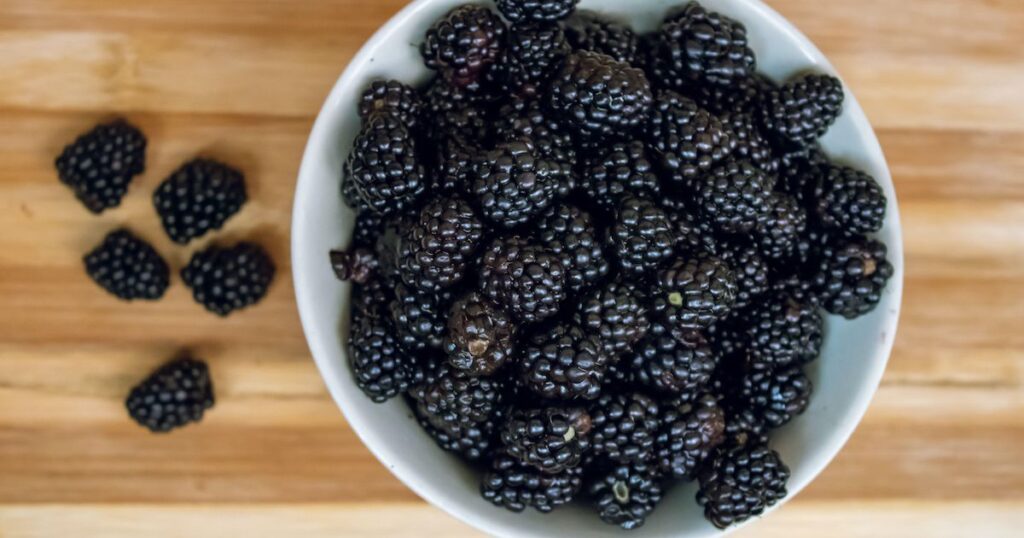
Blackberries are unique among fruits due to their structure. Each berry is made up of numerous small drupelets clustered together, which makes them fragile. Their porous skins can easily trap dirt, dust, and microorganisms. Additionally, blackberries are highly sensitive to moisture; excess water can promote mold growth and reduce shelf life. Understanding these characteristics helps determine the most effective washing method. Gentle cleaning is essential to maintain the integrity of the fruit while ensuring safety for consumption.
The Best Methods to Wash Blackberries
Rinsing Under Cool Running Water
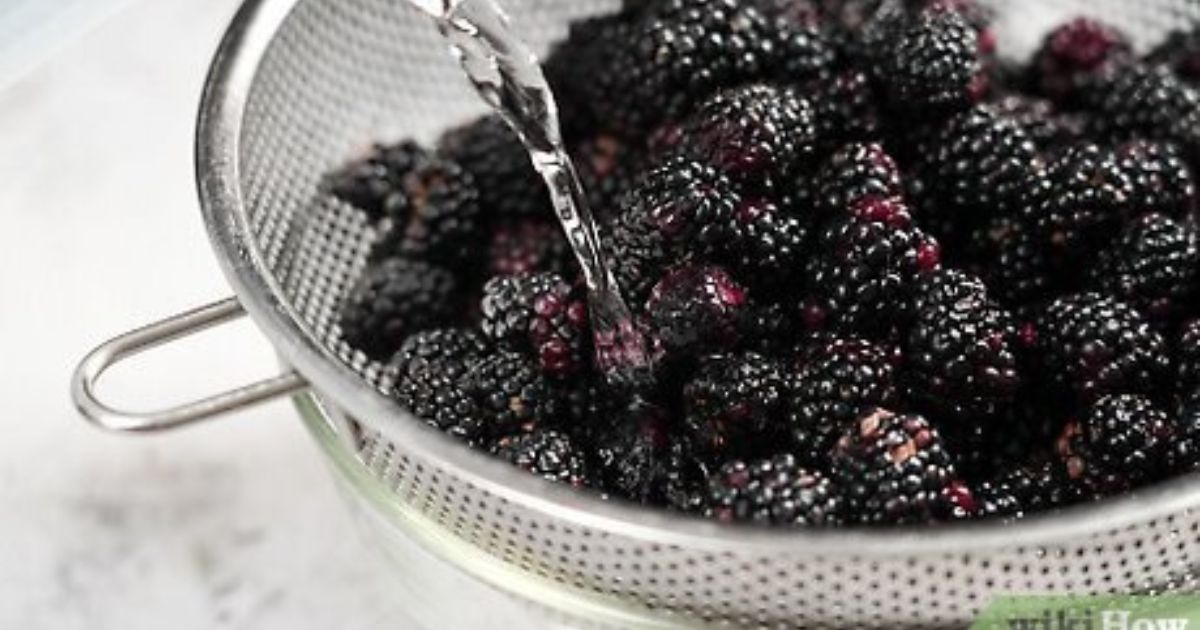
The simplest and most effective method is rinsing under cool running water. Place the blackberries in a colander in a single layer, and gently run cool water over them for 20 to 30 seconds. Avoid using high water pressure, which can crush the berries. Cool water helps remove dirt and small debris without compromising the berry’s delicate structure.
Using a Vinegar and Water Solution
A vinegar soak is effective for reducing bacteria and mold spores. Mix one part white vinegar with three parts water in a bowl and gently swirl the berries in the solution for a few minutes. After soaking, rinse thoroughly under cool running water to remove any vinegar residue. This method can help extend the freshness of blackberries and provide extra peace of mind when cleaning fruit that has been stored for several days.
Baking Soda Cleaning Method
Baking soda is a mild, food-safe cleaning agent that can help remove traces of pesticides and residues. Dissolve approximately one teaspoon of baking soda in two cups of cold water and gently swirl the berries in this solution for 12 to 15 minutes. After soaking, rinse thoroughly under cool running water. Baking soda can be more effective than water alone for cleaning, but it’s important to rinse thoroughly to prevent any change in taste or texture.
Salt Water Rinse for Extra Cleaning
A salt water solution can help remove dirt and small insects. Dissolve one teaspoon of salt in two cups of water and gently soak the berries for a few minutes. After soaking, rinse thoroughly under running water to remove the salt. This method is useful if you want extra cleaning without chemicals.
Step-by-Step Guide: How to Wash Blackberries at Home
- Inspect the berries: Remove any that are moldy, overly soft, or damaged.
- Choose a cleaning method: For everyday use, plain water is sufficient; vinegar or baking soda solutions are options for deeper cleaning.
- Use a colander: This allows water to flow around the berries evenly.
- Rinse gently: Keep the water cool and the flow moderate to avoid crushing.
- Drain well: Ensure all water has drained before drying.
- Dry carefully: Pat dry with paper towels or use a gentle salad spinner to remove moisture.
Following these steps ensures the blackberries are clean, safe, and ready to eat or store.
Drying and Handling Washed Blackberries
After washing, drying the berries is essential to prevent mold and spoilage. Spread the berries in a single layer on paper towels and gently pat them dry. Using a salad spinner with a gentle setting can also help remove water without damaging the fruit. Avoid stacking wet berries on top of each other, as trapped moisture can quickly lead to spoilage. Proper drying helps maintain texture, flavor, and shelf life.
Proper Storage After Washing Blackberries
If you plan to consume the berries immediately, store them in a shallow container lined with paper towels to absorb excess moisture. For longer storage, ensure they are thoroughly dried and placed in a loose, ventilated container in the refrigerator’s crisper drawer. Washing berries too far in advance can lead to mold, so it’s best to wash them just before eating, unless you plan to freeze them. When freezing, lay the berries in a single layer to prevent them from clumping together.
Common Mistakes to Avoid
- Using soap or detergent: These are not food-safe and can leave harmful residues.
- Using hot water: Hot water can soften the berries and damage their structure.
- Over-soaking: Prolonged exposure to water or cleaning solutions can affect texture and taste.
- Washing too early: Washing berries far in advance can increase the risk of mold during storage.
- Stacking wet berries: Moisture trapped between berries accelerates spoilage.
Avoiding these mistakes ensures the blackberries stay fresh, firm, and safe to eat.
Conclusion
Washing blackberries properly is simple but requires careful handling due to their delicate structure. Whether you rinse with cool water, use a vinegar or baking soda solution, or try a salt water soak, the key is to remove contaminants without damaging the fruit. Proper drying and storage extend freshness, making blackberries safe, delicious, and ready to enjoy. By following these methods and avoiding common mistakes, you can ensure your blackberries are always clean, healthy, and full of flavor.
FAQs
Do I need to wash blackberries before eating them?
Yes. Washing removes dirt, dust, bacteria, and possible pesticide residues from the fruit’s surface.
What is the safest way to wash blackberries?
The safest method is gently rinsing under cool running water in a colander to clean without bruising the berries.
Can I use vinegar to wash blackberries?
Yes. A mixture of one part vinegar to three parts water can help remove bacteria and mold spores. Be sure to rinse thoroughly afterward.
Is it okay to use baking soda?
Yes. Baking soda can remove pesticide residues, but the berries should be rinsed thoroughly after soaking to avoid affecting taste or texture.
Should I wash blackberries before storing them?
It’s better to wash just before eating. Washing too early can cause mold and reduce shelf life.
