
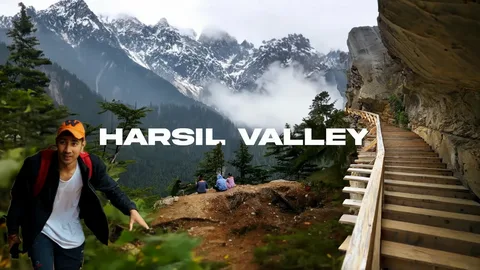
Tucked away in the Garhwal Himalayas of Uttarakhand, Harsil Valley is one of those rare places that still feels untouched by mass tourism. Surrounded by dense deodar forests, snow capped peaks, apple orchards, and the serene Bhagirathi River, this Himalayan hamlet offers a perfect escape for travelers seeking peace, nature, and authenticity.
Unlike crowded hill stations, Harsil Valley moves at a slower, gentler pace. Life here revolves around the seasons, local culture, and the mountains themselves. Whether you’re planning a quiet nature retreat, a scenic road trip, or a meaningful stop on the way to Gangotri, this detailed guide will help you understand why Harsil Valley deserves a spot on your travel list.
Where Is Harsil Valley Located?
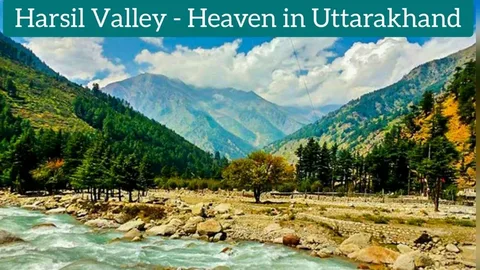
Harsil Valley is located in the Uttarkashi district of Uttarakhand, around 25 kilometers before Gangotri on the Gangotri National Highway. Sitting at an altitude of approximately 2,620 meters, the valley lies along the banks of the Bhagirathi River, one of the main tributaries of the Ganga.
The journey to Harsil Valley is as memorable as the destination itself. Winding mountain roads, pine forests, cascading streams, and distant Himalayan peaks create a dramatic introduction to this peaceful village cluster.
Why Visit Harsil Valley?
What sets Harsil Valley apart is its raw, understated beauty. This is not a place of loud attractions or commercial adventure parks. Instead, it offers something far more valuable stillness, authenticity, and a deep connection with nature.
Travelers are drawn to Harsil Valley for:
- Unspoiled Himalayan landscapes
- Apple orchards and forest trails
- Fewer crowds compared to popular hill stations
- Proximity to Gangotri without the chaos
- A genuine glimpse into Garhwali mountain life
For those who appreciate slow travel and meaningful experiences, Harsil Valley feels like a quiet conversation with the mountains.
Best Time to Visit Harsil Valley
Choosing the right season can completely shape your experience in Harsil Valley, as the landscape changes dramatically throughout the year.
Spring and Summer (April to June)
This is the most popular time to visit Harsil Valley. The snow begins to melt, flowers bloom, and the weather remains pleasant during the day. Apple orchards come alive, and forest walks are especially enjoyable.
Temperatures range between 10°C and 20°C, making it ideal for sightseeing and photography.
Monsoon (July to September)
Harsil Valley receives moderate rainfall during the monsoon months. The valley turns lush green, and the rivers swell with fresh mountain water. However, landslides can occasionally disrupt travel, so this season is better suited for experienced mountain travelers.
Autumn (October to November)
Autumn is one of the most beautiful times in Harsil Valley. Clear skies, golden forests, and crisp air create perfect conditions for peaceful exploration. Apple harvest season also adds charm to village life.
Winter (December to March)
Winter transforms Harsil Valley into a snowy wonderland. Heavy snowfall can restrict access, but for those who manage to reach, the experience is magical. This season is ideal for travelers seeking solitude and snow-covered scenery.
Things to Do in Harsil Valley
Despite its quiet nature, Harsil Valley offers a surprising variety of experiences for mindful travelers.
Nature Walks and Forest Trails
Walking through deodar and pine forests is one of the simplest yet most rewarding activities in Harsil Valley. The silence, broken only by birds and wind, makes these walks deeply calming.
Explore Apple Orchards
Harsil Valley is famous for its apples. Visiting orchards during flowering or harvest season offers insight into the local economy and lifestyle while adding scenic beauty to your journey.
Visit Nearby Villages
The valley consists of small villages like Dharali, Bagori, and Mukhba. Each has its own character, traditional wooden homes, and welcoming locals.
Photography and Slow Travel
Every corner of Harsil Valley feels photogenic river bends, mountain backdrops, village paths, and prayer flags fluttering in the wind.
Short Treks and Exploration
While not a major trekking hub, Harsil Valley offers gentle trails leading to viewpoints and nearby meadows, perfect for beginners and casual hikers.
Scenic Highlights of Harsil Valley
The true magic of Harsil Valley lies in its landscapes, which feel both grand and intimate.
Bhagirathi River
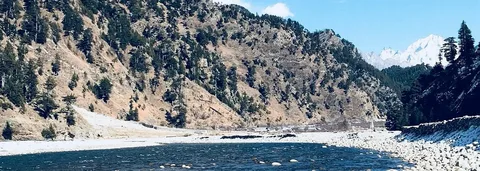
Flowing quietly beside the villages, the Bhagirathi River adds life and rhythm to the valley. Early mornings by the river are especially peaceful.
Snow-Capped Himalayan Peaks
On clear days, distant Himalayan summits frame the valley, offering breathtaking views that change with light and weather.
Deodar and Pine Forests
Dense forests surround Harsil Valley, filling the air with a fresh, earthy fragrance and creating natural shade along walking paths.
Seasonal Colors
From spring blossoms to autumn gold and winter white, Harsil Valley showcases nature’s full palette throughout the year.
How to Reach Harsil Valley
Reaching Harsil Valley requires patience, but the journey is deeply rewarding.
- By Road: Harsil Valley is well connected by road from Rishikesh, Dehradun, and Uttarkashi. The drive from Uttarkashi takes around 2–3 hours.
- By Train: The nearest railway station is Dehradun, about 235 km away.
- By Air: Jolly Grant Airport in Dehradun is the closest airport, followed by a long but scenic road journey.
Public buses, shared taxis, and private vehicles are commonly used to reach Harsil Valley.
Where to Stay in Harsil Valley
Accommodation in Harsil Valley is simple and comfortable rather than luxurious. Options include:
- Local guesthouses
- Small hotels
- Homestays run by village families
Staying in a homestay is highly recommended, as it allows you to experience local hospitality, home-cooked meals, and authentic mountain life.
Local Culture, Food, and Lifestyle
Life in Harsil Valley revolves around agriculture, seasons, and tradition. The local community follows Garhwali customs, and festivals are celebrated with simplicity and devotion.
Food in Harsil Valley is wholesome and nourishing, often featuring:
- Lentils and rice
- Seasonal vegetables
- Locally grown grains
- Fresh apples and homemade products
Meals are simple yet deeply satisfying, especially after a day spent outdoors.
Travel Tips for Harsil Valley
To make the most of your trip to Harsil Valley, keep these tips in mind:
- Carry warm clothing year-round; nights are cold
- Network connectivity is limited, so plan accordingly
- Respect local customs and avoid loud behavior
- Carry cash, as ATMs are scarce
- Travel slowly and allow time for acclimatization
Responsible travel helps preserve the fragile beauty of Harsil Valley for future generations.
Conclusion
Harsil Valley is not a destination for rushed itineraries or checklist tourism. It is a place to pause, breathe, and reconnect with nature, with local culture, and with yourself. From its scenic landscapes and gentle village life to its seasonal beauty and quiet charm, Harsil Valley offers an experience that feels both grounding and uplifting.
If you’re searching for an authentic Himalayan escape away from crowds, Harsil Valley quietly waits, unchanged and welcoming.
