
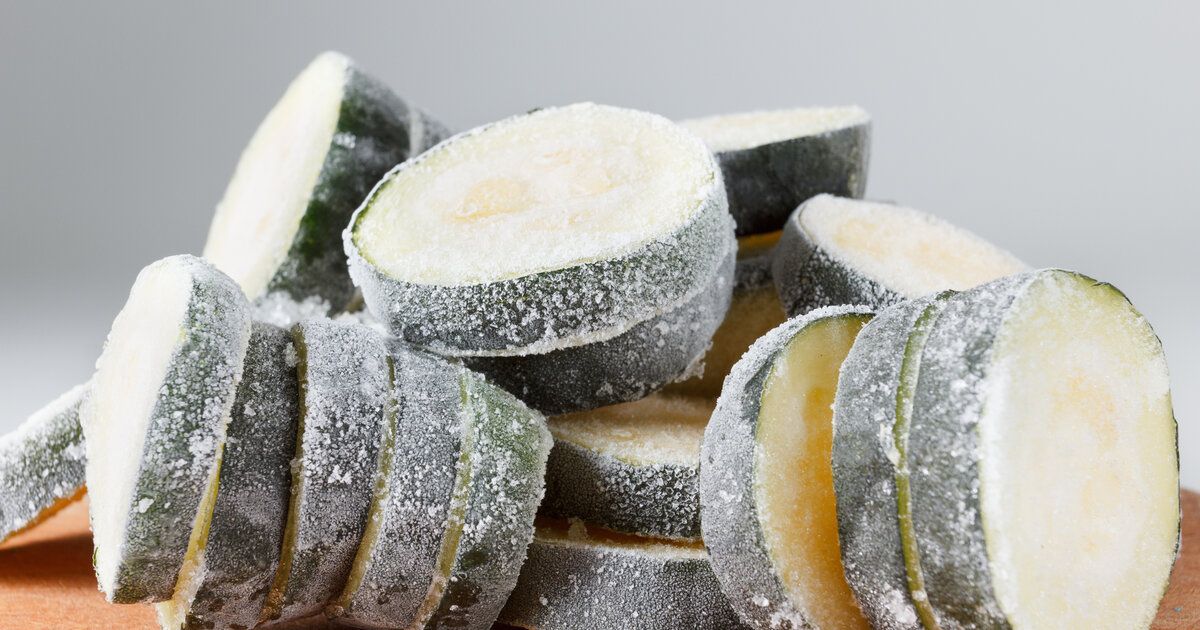
If you’ve ever had an abundant summer harvest of courgettes, you know how quickly they can multiply. Also known as zucchini in some parts of the world, courgettes are versatile, nutrient-rich vegetables that add color, texture, and beneficial vitamins to countless dishes. But what do you do when you’ve harvested more courgettes than you can eat before they spoil? The answer is simple: freezing courgettes.
Freezing courgettes allows you to preserve their flavor and nutrients for months, extending their usability far beyond the garden season. Whether you’ve picked too many from the backyard patch or bought a large batch at the market, freezing ensures that those tender green vegetables don’t go to waste. This ultimate guide will walk you through every step of the process from selecting courgettes and preparing them for freezing, to creatively using them once they’re out of the freezer.
By the end of this article, you’ll have all the knowledge you need to confidently freeze courgettes and enjoy them year-round.
Understanding Courgettes: Freshness and Flavor
Courgettes are summer squash with a mild flavor and soft texture when cooked. They are typically harvested while still immature, making them tender and ideal for a variety of culinary uses. Fresh courgettes have bright green skin (sometimes speckled with lighter green or yellow) and firm flesh. When choosing courgettes for freezing, freshness is key the fresher the courgette, the better the quality after freezing.
The reasons freezing works well for courgettes include:
- Preserves nutrients like vitamin C and potassium
- Extends shelf life from days to months
- Reduces waste during peak harvests
- Provides convenience for future cooking
Remember, freezing won’t preserve the exact texture of raw courgettes their water content means they soften once thawed. However, for cooked dishes, casseroles, soups, stews, and sauces, frozen courgettes perform beautifully.
Preparing Courgettes for Freezing
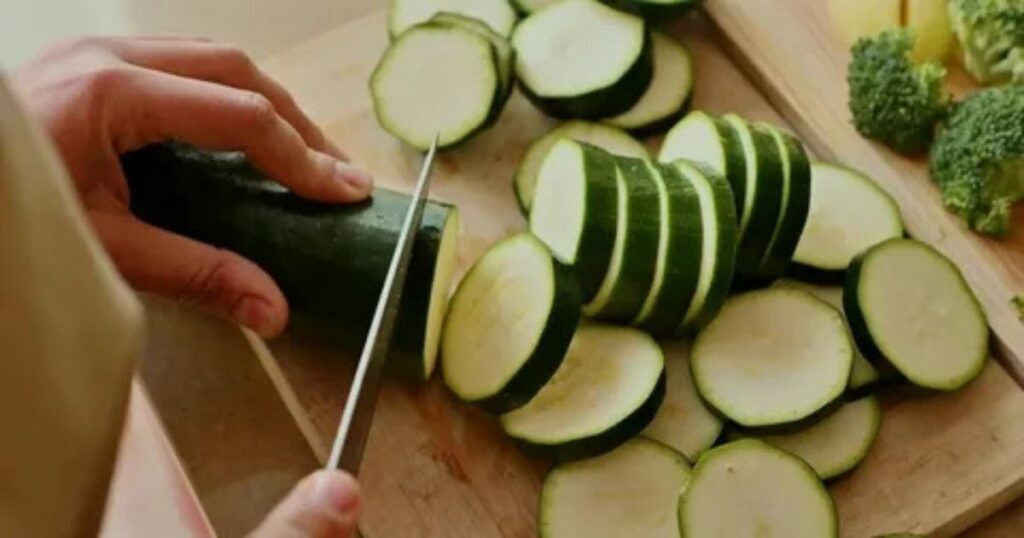
Before you freeze courgettes, preparation matters. Here’s how to get them ready step by step:
Choosing the Right Courgettes
Select courgettes that are:
- Firm to the touch
- Free from bruises or soft spots
- Medium in size, as very large ones tend to be more watery and seedy
Smaller courgettes usually have better flavor and texture, making them ideal for freezing.
Washing and Trimming
Rinse courgettes thoroughly under cold water to remove dirt. Gently scrub with your hands if needed. Trim off both ends the stem and blossom end before cutting.
Cutting Techniques
How you cut your courgettes affects their usability later:
- Slices: ½-inch thick rounds are perfect for stir-fries or sautés.
- Cubes: Great for soups, stews, casseroles.
- Grated: Ideal for breads, muffins, and sauces.
Choose the cutting style that matches how you plan to use the courgettes later.
Blanching vs. Raw Freezing: What’s Best?
Why Blanching Helps
Blanching is a brief cooking process where vegetables are submerged in boiling water for a short time, then quickly cooled in ice water. This step helps:
- Preserve color
- Halt enzyme activity that causes deterioration
- Maintain flavor and nutritional value
For courgettes, blanching isn’t strictly required, but it yields better results when planning longer storage or when texture is important.
Blanching Steps
- Bring a large pot of water to a rolling boil.
- Prepare a bowl of ice water.
- Add cut courgettes to boiling water for about 2 minutes.
- Immediately transfer to ice water for another 2 minutes.
- Drain thoroughly and pat dry before freezing.
This quick blanching process boosts quality and helps maintain a pleasant texture after freezing.
Raw Freezing: When and How
If you plan to use courgettes in cooked dishes where texture isn’t crucial, raw freezing works fine. To raw freeze:
- Prepare and cut courgettes.
- Lay pieces on a tray without touching each other.
- Freeze until solid before transferring to storage bags.
Raw freezing skips blanching, which saves time, but may result in softer courgettes once thawed.
Proper Freezing Techniques
Freezing isn’t simply placing vegetables in a bag proper technique preserves quality and prevents freezer burn.
Flash Freezing
Flash freezing means freezing pieces individually before storing. To do this:
- Spread courgette pieces in a single layer on a tray
- Place in the freezer
- Once pieces are frozen solid, transfer them to freezer bags
This prevents clumping and allows you to take out only what you need.
Packaging and Sealing
Use high-quality freezer bags or airtight containers. Press out as much air as you can before sealing. Air exposure causes freezer burn and degrades flavor.
Labeling and Storage Tips
Label each package with:
- Contents (e.g., “Sliced Courgettes”)
- Date frozen
Store courgettes at 0°F (-18°C) or below for best quality.
How Long Can You Freeze Courgettes?
Properly frozen courgettes keep their best quality for about 10–12 months. While they remain safe beyond this, texture and flavor may decline.
Watch for signs your courgettes are past their prime:
- Excessive ice crystals inside the bag
- Off smells
- Discoloration
If any of these occur, it’s best to discard the batch.
Thawing and Using Frozen Courgettes
Frozen courgettes thaw quickly. Here are recommended methods:
- Refrigerator thaw: For several hours or overnight
- Cook-from-frozen: Many recipes allow adding courgettes directly to the pot
- Microwave thawing: Quickest option for immediate use
Remember: thawed courgettes are softer that’s normal due to water content. They’re excellent in cooked dishes but not ideal for salads that require crispness.
Creative Uses for Frozen Courgettes
Once you have frozen courgettes on hand, their culinary potential is vast:
Soups and Stews
Frozen courgettes add body and nutrients to:
- Vegetable soups
- Minestrone
- Chicken stews
They soften naturally and contribute flavor without losing nutrients.
Bakes and Casseroles
Mix thawed courgettes into:
- Lasagnas
- Vegetable gratins
- Casseroles
They combine well with cheese, tomatoes, and herbs.
Smoothies and Sauces
Grated or pureed frozen courgettes can be added to:
- Green smoothies
- Tomato sauces to boost fiber
- Pasta sauces for extra nutrition
They blend smoothly, enriching meals without overpowering taste.
Snack Ideas
Try incorporating frozen courgettes into quick snacks:
- Zucchini fritters
- Mini muffins
- Veggie patties
Their moisture helps bind ingredients and adds moistness to baked goods.
Troubleshooting Common Freezing Problems
Even with care, things can go wrong. Here are common issues and fixes:
Soggy Texture
Why it happens:
- Too much water
- No blanching
- Improper storage
Solution:
- Blot courgettes dry before freezing
- Blanch before freezing
- Use in cooked dishes where softness is fine
Freezer Burn
Caused by air exposure.
Fix:
- Use airtight bags
- Press out air before sealing
- Freeze quickly
Ice Crystals and Moisture Loss
Ice forms when water inside freezes or when air gets into packaging.
To avoid:
- Seal bags tightly
- Use quality freezer containers
Conclusion
Freezing courgettes is one of the best ways to preserve abundant produce and ensure healthy, flavorful ingredients throughout the year. With the right preparation, freezing technique, and storage habits, you can maintain the quality of these versatile vegetables for months. Whether you’re planning soups, stews, bakes, or smoothies, frozen courgettes will be ready when you are.
Take time during harvest season to freeze your courgettes future you will be glad you did!
FAQs
Can I freeze courgettes without blanching?
Yes. You can freeze courgettes raw, but blanching helps preserve color, texture, and flavor longer.
How should I cut courgettes before freezing?
You can slice, cube, or grate courgettes before freezing depending on how you plan to use them later.
How long can I keep frozen courgettes?
Best quality lasts about 10–12 months in the freezer.
Do I need to thaw frozen courgettes before cooking?
Not always. You can add frozen courgettes directly to soups or stews, but for certain recipes, thawing first may help.
Will frozen courgettes be as firm as fresh?
No frozen courgettes tend to be softer once thawed due to their high water content, but they work perfectly in cooked dishes.
Can I use frozen courgettes in baking?
Absolutely! Thawed grated courgettes are excellent in breads, muffins, and bakes.
