
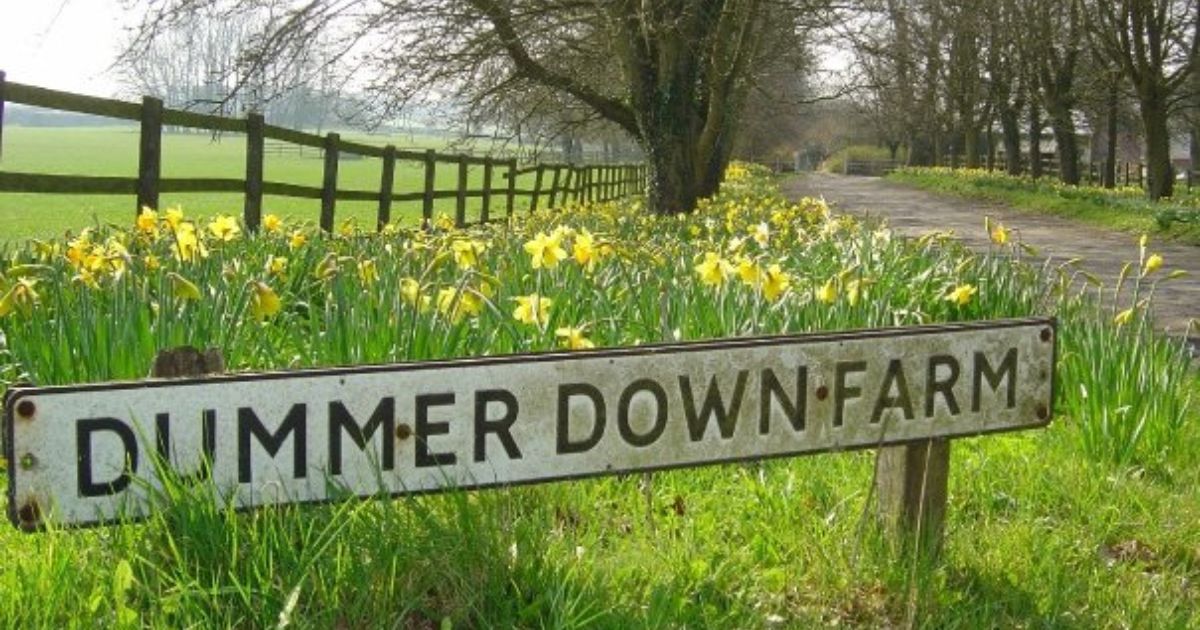
Dummer Down Farm is a working rural property located in the countryside of Hampshire, England. It blends traditional agricultural activity with multifunctional uses that support community events, small business spaces, and adaptable rural land use. Farms like Dummer Down are examples of how modern rural landowners are finding creative ways to keep agricultural land productive while also meeting the needs of local communities. This growing trend allows farms to survive and thrive in changing economic landscapes while still serving their original purpose of producing food and maintaining rural space.
The Agricultural Heart of Dummer Down Farm
At its core, Dummer Down Farm remains rooted in agriculture. The fields are used to grow crops typical of south‑central England, and the land is maintained in active cultivation. Farming practices on the property support both productivity and environmental stewardship. While the specific rotation and crops may vary by season, the agricultural function remains central.
However, what makes the farm unique is how it integrates this agricultural foundation with additional uses. The land and farm buildings are not just places for planting and harvesting they are part of a broader rural strategy that supports both economic adaptation and community involvement.
Beyond Farming: How the Farm Has Evolved
Over time, Dummer Down Farm has evolved beyond just growing crops and maintaining fields. Older farm buildings that once exclusively supported agricultural activities, such as barns and storage spaces, have been repurposed as small business units or workshop spaces. These conversions allow local entrepreneurs to operate within a rural setting. In many cases, such space helps preserve historic buildings that might otherwise fall into disrepair.
The farm’s evolution demonstrates an important trend in rural land use: diversification. Rather than relying only on farming income, the property supports a mixture of functions that strengthen financial stability and community value.
Spaces at Dummer Down Farm and Their Uses
One of the major strengths of Dummer Down Farm is its versatility in space usage. Both indoor and outdoor facilities serve different purposes:
- Open Fields: Large outdoor areas are available for events, community gatherings, and seasonal activities.
- Converted Buildings: Older structures have been adapted as workshop spaces and small business premises.
- Large Indoor Areas: Some facilities can accommodate exhibitions, meetings, and social functions.
This adaptability allows the farm to serve a wide range of needs from local groups wanting open space for activities to small enterprises looking for affordable rural workspace. It also fosters a sense of connection between the farm and wider community, encouraging people to interact with rural land in different ways.
The Farm’s Role in the Local Rural Economy
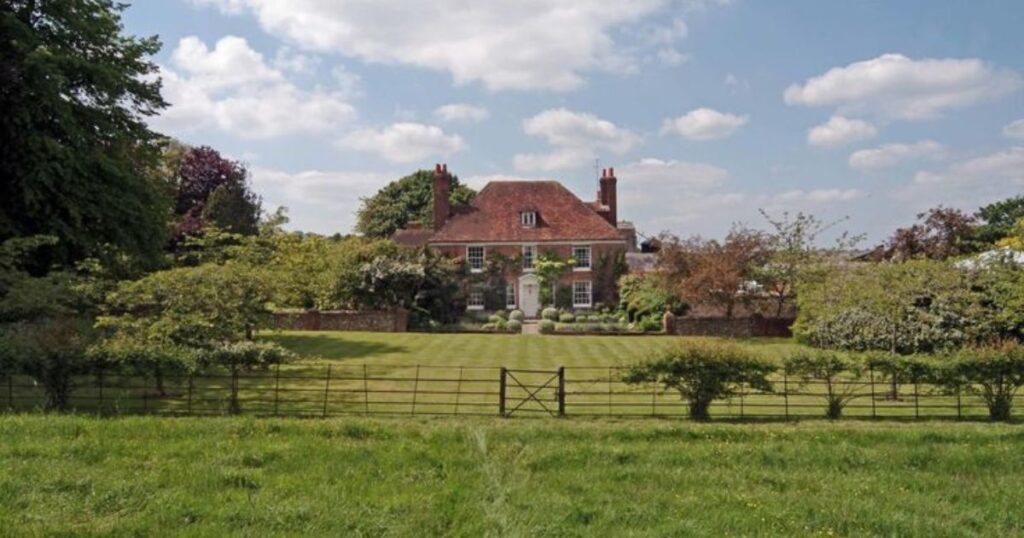
Dummer Down Farm plays an important role in supporting the local economy. By offering space for small businesses and workshops, the farm brings economic activity into a rural setting. This creates employment opportunities and allows local entrepreneurs to grow without needing to relocate to urban centers.
The presence of small businesses within the farm also encourages a mix of skills and services. Artisans, makers, and specialty producers can make use of converted farm buildings, helping to diversify rural economic landscapes. This not only helps the businesses themselves but fosters resilience and adaptability for the broader community.
How Dummer Down Farm Serves the Community
Beyond economic impact, Dummer Down Farm serves as a community hub. Residents and visitors alike can access outdoor fields for organized activities, participate in seasonal gatherings, or simply enjoy the countryside around them. The farm’s multifunctional approach strengthens local identity and encourages people to engage with rural space beyond its traditional agricultural role.
For community members, the farm is not just land — it’s a place where people meet, collaborate, and participate in local life. Its blend of agriculture and shared space makes it a valuable asset for the rural region it serves.
Challenges and Opportunities for Rural Land Use
Farms like Dummer Down face a variety of challenges common to rural landowners. These include economic pressures from fluctuating crop prices, evolving environmental regulations, and the need to remain sustainable in the face of changing demographics. However, these challenges also present opportunities.
By diversifying use — blending farming with business space and community functions — landowners can unlock new income streams while preserving agricultural heritage. Such multifunctional use is increasingly seen as a way to strengthen rural economies, retain population, and maintain the cultural landscape of the countryside.
Conclusion: Why Dummer Down Farm Matters
Dummer Down Farm is more than a plot of land used for agricultural activity. It represents a contemporary example of rural adaptation, where traditional farming coexists with modern community and economic functions. The farm illustrates how rural land can remain productive while supporting local events, small businesses, and community activities. This combination preserves the countryside’s character while helping it remain relevant and sustainable in the 21st century.
FAQs
What is Dummer Down Farm?
Dummer Down Farm is a working farm in Hampshire that combines agriculture with community uses and small business space.
Where is the farm located?
The farm is located in a rural part of Hampshire, England, near a village close to larger towns.
Does the farm grow crops?
the land is actively used for agricultural purposes, including crop cultivation.
Can businesses operate there?
Some farm buildings have been converted to workshop and small business spaces.
How does the farm serve the community?
Through its multifunctional spaces, outdoor fields, and shared facilities, it supports local events and community engagement.
