
Cancer is one of the most significant health challenges faced by humanity today. It affects millions of individuals across different age groups and regions, making it a global concern that requires awareness and understanding. The term refers to a collection of diseases that share a common characteristic: the uncontrolled growth and spread of abnormal cells in the body. Developing a deeper understanding of can empower individuals to make informed health decisions and adopt preventive measures that reduce risk.
What is Cancer and How It Develops
Cancer begins at the cellular level. In a healthy body, cells grow, divide, and die in an orderly manner. However, when genetic mutations occur, this process becomes disrupted. Damaged cells begin to multiply uncontrollably, forming masses known as tumors. Some tumors remain localized, while others spread to different parts of the body through the bloodstream or lymphatic system.
This spread is known as metastasis, and it is one of the most dangerous aspects of The development of can take years, often progressing silently before symptoms become noticeable. Understanding this process highlights the importance of early detection and routine medical checkups.
Common Types of Cancer Worldwide
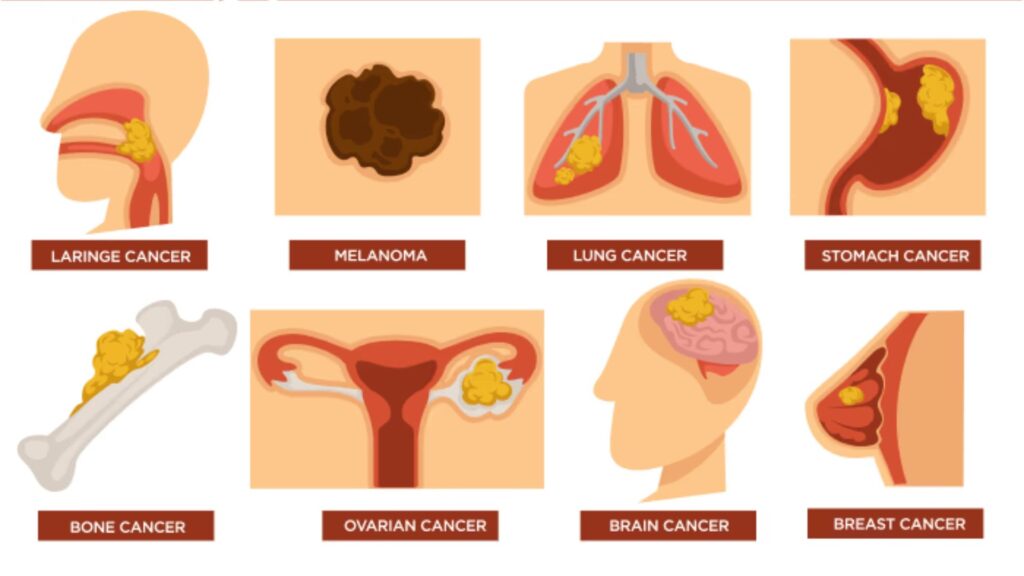
There are over one hundred types of cancer, each classified based on the organ or tissue where it originates. Some of the most commonly diagnosed types include lung cancer, breast cancer, colorectal cancer, prostate cancer, and stomach cancer. These types account for a large proportion of global cancer cases.
Different types of cancer affect people in varying ways depending on factors such as age, gender, and lifestyle. For example, breast is more prevalent among women, while prostate primarily affects men. Lung remains one of the leading causes of related deaths due to its strong association with smoking and environmental pollutants.
Major Causes and Risk Factors
Cancer does not have a single cause. Instead, it develops due to a combination of genetic, environmental, and lifestyle factors. One of the most significant risk factors is tobacco use, which is linked to several types of cancer. Other contributing factors include unhealthy diets, physical inactivity, exposure to harmful chemicals, and infections.
Genetic predisposition also plays a role, meaning some individuals may inherit mutations that increase their risk. Environmental factors such as air pollution and radiation exposure further contribute to the development of cancer. Understanding these risk factors allows individuals to take proactive steps toward prevention.
Early Signs and Symptoms
The symptoms of cancer vary widely depending on its type and location. However, some general warning signs should not be ignored. These include unexplained weight loss, persistent fatigue, unusual lumps, changes in skin appearance, and prolonged pain. Changes in bowel or bladder habits can also indicate potential issues.
It is important to note that these symptoms are not exclusive to cancer, but they should prompt medical attention. Early recognition of these signs can lead to timely diagnosis and improved treatment outcomes.
Importance of Early Detection
Early detection plays a crucial role in improving survival rates. When cancer is identified at an early stage, it is often easier to treat and may require less aggressive interventions. Screening methods such as routine physical examinations, imaging tests, and laboratory analyses can help detect abnormalities before symptoms appear.
Regular health checkups are essential, especially for individuals with a higher risk due to family history or lifestyle factors. Awareness and timely action can significantly increase the chances of successful treatment.
Effective Prevention Strategies
Preventing cancer involves reducing exposure to risk factors and adopting healthy habits. One of the most effective strategies is avoiding tobacco in all forms. Maintaining a balanced diet rich in fruits, vegetables, and whole grains also contributes to better health.
Physical activity is another important factor. Engaging in regular exercise helps maintain a healthy weight and supports overall well-being. Protecting the skin from excessive sun exposure and staying updated with recommended vaccinations are additional preventive measures.
These strategies, when practiced consistently, can significantly lower the risk of developing cancer.
Diagnosis and Treatment Options
The diagnosis of cancer typically involves a combination of tests, including imaging scans, biopsies, and laboratory evaluations. Once diagnosed, the choice of treatment depends on the type and stage of cancer.
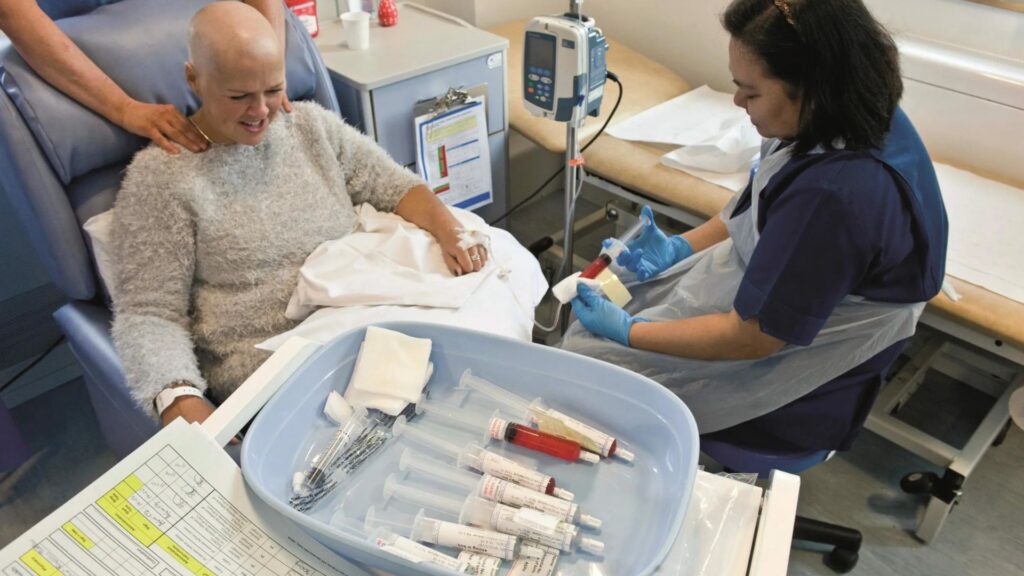
Common treatment methods include surgery to remove tumors, chemotherapy to destroy cancer cells, and radiation therapy to target affected areas. In recent years, advancements such as targeted therapy and immunotherapy have improved treatment outcomes.
Each treatment plan is tailored to the individual, taking into account their overall health and specific condition.
Lifestyle Changes to Reduce Risk
Adopting a healthy lifestyle is one of the most effective ways to reduce the risk of cancer. A nutritious diet, regular exercise, and maintaining a healthy weight are fundamental components of prevention. Limiting alcohol consumption and avoiding exposure to harmful substances further contribute to risk reduction.
Incorporating these habits into daily life not only helps prevent cancer but also improves overall quality of life. Small, consistent changes can lead to long-term health benefits.
Global Impact and Statistics
Cancer remains one of the leading causes of death worldwide, placing a significant burden on healthcare systems. The number of cases continues to rise due to factors such as population growth, aging, and changes in lifestyle.
Low- and middle-income countries face additional challenges due to limited access to healthcare resources. Addressing the global impact of cancer requires coordinated efforts in prevention, early detection, and treatment.
Emotional and Social Challenges
A cancer diagnosis can have profound emotional and social effects. Patients often experience anxiety, stress, and uncertainty about the future. Families and caregivers also face challenges as they support their loved ones through treatment.
Emotional support, counseling, and community resources play an important role in helping individuals cope. Addressing mental health is an essential aspect of comprehensive cancer care.
Future Trends in Cancer Research
Advancements in medical research are transforming the way cancer is understood and treated. Innovations such as precision medicine and genetic testing are enabling more personalized treatment approaches. Researchers are also exploring new therapies that target cancer cells more effectively while minimizing side effects.
The future of cancer care looks promising, with ongoing efforts aimed at improving early detection and developing more effective treatments.
Conclusion
Cancer is a complex disease that requires awareness, understanding, and proactive management. By recognizing risk factors, identifying early symptoms, and adopting preventive strategies, individuals can significantly reduce their risk.
Continued research and global collaboration are essential in the fight against cancer. With increased awareness and improved healthcare practices, there is hope for better outcomes and a healthier future.
FAQs
What is cancer?
Cancer is a disease in which abnormal cells grow uncontrollably and may spread to other parts of the body.
What causes cancer?
Cancer is caused by a combination of genetic mutations, lifestyle factors, and environmental exposures.
Can cancer be prevented?
Many cases can be prevented through healthy living, avoiding risk factors, and regular screenings.
What are the early signs of cancer?
Common signs include unexplained weight loss, fatigue, lumps, and changes in normal body functions.
How is cancer treated?
Treatment options include surgery, chemotherapy, radiation therapy, and newer advanced therapies.
