
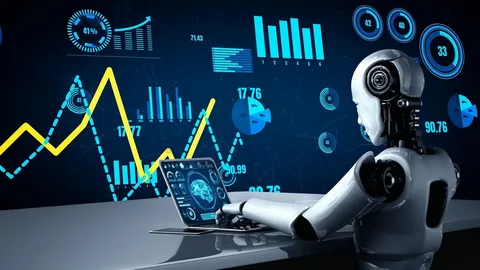
The creative world is undergoing a profound transformation. What once required hours of manual effort, years of experience, and expensive software can now be accelerated through intelligent systems that learn, adapt, and assist. At the center of this shift is ai graphic design gfxrobotection, a concept that blends artificial intelligence, automation, and creative protection into a new way of producing visual content.
Designers, marketers, business owners, and content creators are no longer asking if AI belongs in graphic design they are asking how to use it responsibly, creatively, and efficiently. This article explores how ai graphic design gfxrobotection is reshaping visual creation, improving workflows, protecting originality, and redefining the role of human creativity in the age of intelligent automation.
What Is AI Graphic Design GFXRobotection?
At its core, ai graphic design gfxrobotection refers to the use of artificial intelligence to automate, enhance, and safeguard the graphic design process. It combines machine learning models, design automation tools, and creative protection mechanisms to generate visuals that are fast, scalable, and more secure.
Unlike traditional graphic design software, which relies entirely on manual input, AI-driven systems analyze data such as color theory, layout patterns, typography trends, and brand guidelines. They then apply this knowledge to generate or assist with visual designs while maintaining consistency and originality.
The “robotection” aspect is particularly important. It represents the growing need to protect creative assets through embedded metadata, design tracking, watermarking, or originality checks. In a digital world flooded with content, ai graphic design gfxrobotection addresses both creation and protection as part of a unified workflow.
The Evolution of Graphic Design in the Age of AI
Graphic design has always evolved alongside technology. From hand-drawn layouts to desktop publishing, from static images to interactive experiences, every shift has expanded creative possibilities. AI is simply the next stepbut it is a powerful one.
Early digital tools focused on execution. Designers still needed to imagine, plan, and build everything from scratch. Today, AI-powered design systems can suggest layouts, generate visuals from prompts, resize assets automatically, and adapt designs for multiple platforms.
This evolution has led to the rise of ai graphic design gfxrobotection, where intelligent automation supports creative decisions instead of replacing them. AI handles repetitive or time-consuming tasks, freeing designers to focus on storytelling, strategy, and emotional impact.
The result is not the loss of creativity, but its amplification.
How Intelligent Automation Enhances Visual Creation
One of the strongest advantages of ai graphic design gfxrobotection is intelligent automation. This does not mean design is reduced to a button click. Instead, automation works in layers, assisting designers at every stage of the creative process.
Faster Concept Development
AI tools can generate multiple design concepts within seconds. By analyzing prompts, references, and brand styles, they offer starting points that designers can refine. This speeds up brainstorming while preserving creative control.
Consistent Brand Identity
Maintaining brand consistency across platforms is a challenge. Intelligent automation ensures colors, fonts, layouts, and visual tone remain aligned with brand guidelines, even when producing hundreds of assets.
Adaptive and Responsive Design
Modern design must adapt to screens of all sizes. AI-driven systems automatically resize and reformat designs for social media, web, print, and mobile without compromising quality.
Through these capabilities, ai graphic design gfxrobotection transforms visual creation into a more efficient, scalable, and reliable process.
Creative Protection and Originality in AI-Driven Design
As AI-generated content becomes more common, concerns around originality and ownership grow. This is where the protective side of ai graphic design gfxrobotection becomes essential.
AI-assisted design systems can embed creative markers into visuals. These may include metadata that records creation history, authorship, and modification timelines. Some systems also help detect similarities between designs to avoid unintentional duplication.
Rather than threatening originality, AI can help safeguard it. Designers gain tools that document their creative process and protect their intellectual property in a crowded digital space.
By integrating protection directly into the design workflow, ai graphic design gfxrobotection promotes trust, transparency, and ethical creativity.
Real-World Use Cases Across Industries
The impact of ai graphic design gfxrobotection extends far beyond design studios. Its applications span multiple industries, each benefiting from faster production and creative protection.
Marketing and Advertising
Marketing teams rely on rapid visual production. AI-assisted design enables quick campaign launches, A/B testing of visuals, and consistent branding across channels.
E-Commerce and Product Design
Online stores use AI-generated visuals for product images, banners, and promotions. Intelligent automation helps create visually appealing assets while protecting brand identity.
Media and Content Creation
Publishers and creators leverage ai graphic design gfxrobotection to generate thumbnails, social visuals, and editorial graphics efficiently without sacrificing originality.
Education and Training
Educational platforms use AI-powered design tools to create learning materials that are visually engaging, accessible, and consistent.
Across these use cases, the combination of automation and protection makes AI-driven design both practical and trustworthy.
Benefits and Limitations of AI Graphic Design GFXRobotection
Like any technology, ai graphic design gfxrobotection offers clear advantages alongside important limitations.
Key Benefits
- Faster design workflows and reduced production time
- Lower barriers to entry for non designers
- Enhanced consistency and scalability
- Built-in creative protection features
These benefits make AI-powered design tools attractive to businesses of all sizes.
Important Limitations
AI systems rely on data and patterns. They may lack deep emotional understanding or cultural nuance. Overreliance on automation can also lead to generic visuals if human creativity is removed from the process.
The most effective use of ai graphic design gfxrobotection comes from collaboration AI handles efficiency, while humans guide meaning and intent.
The Human Designer’s Role in an Automated Future
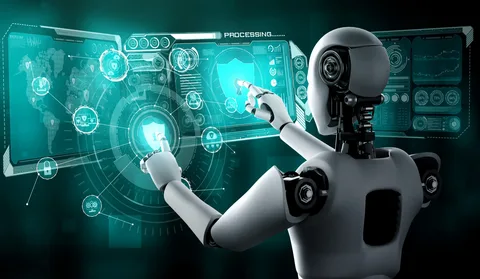
A common fear surrounding AI is replacement. In reality, ai graphic design gfxrobotection reshapes the designer’s role rather than eliminating it.
Designers become creative directors, strategists, and storytellers. They guide AI tools with prompts, refine outputs, and ensure designs align with human values and emotional goals.
Human judgment remains critical in areas such as:
- Brand voice and cultural sensitivity
- Emotional resonance and storytelling
- Ethical decision-making
AI enhances productivity, but it is human insight that gives design its soul.
The Future of AI Graphic Design GFXRobotection
Looking ahead, ai graphic design gfxrobotection is expected to grow more intelligent, transparent, and collaborative. Future systems may offer real-time originality scoring, deeper customization, and stronger protection standards.
As regulations and ethical guidelines evolve, AI-driven design tools will likely place greater emphasis on accountability and creative rights. This will further strengthen trust between creators, clients, and audiences.
The future of visual creation lies not in choosing between humans and machines, but in designing systems where both thrive together.
Conclusion
The rise of ai graphic design gfxrobotection marks a turning point in how visuals are created, managed, and protected. Intelligent automation streamlines workflows, while built in safeguards help preserve originality and trust.
Rather than replacing designers, AI empowers them allowing more time for creativity, strategy, and meaningful storytelling. For businesses, creators, and brands navigating an increasingly visual world, embracing this evolution is no longer optional.
When used thoughtfully, ai graphic design gfxrobotection becomes more than a tool. It becomes a creative partner shaping the future of visual communication.
