
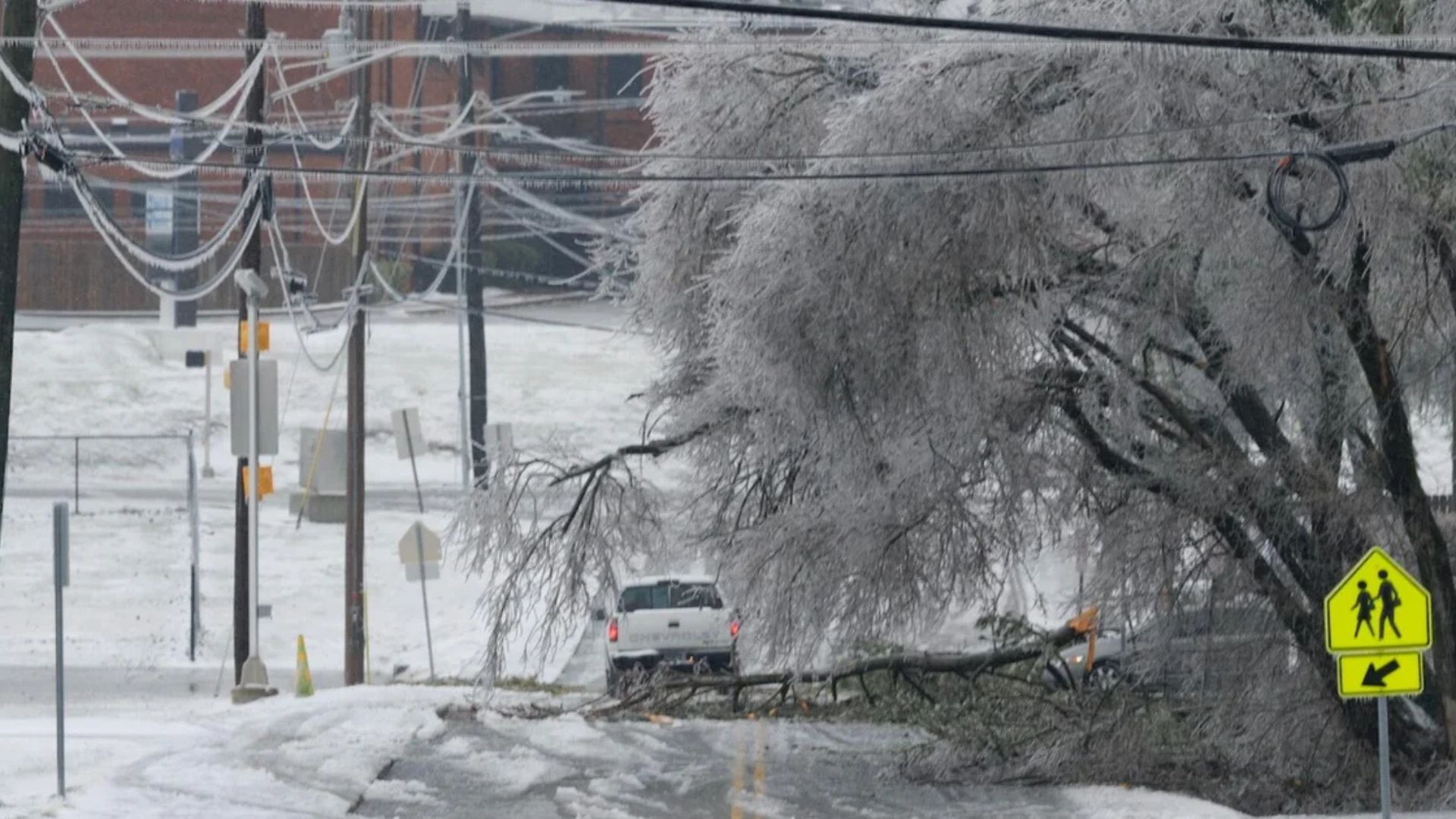
A winter storm is one of the most intense seasonal weather phenomena, capable of disrupting entire regions within hours. It combines freezing temperatures, snowfall, strong winds, and sometimes ice, creating hazardous conditions for people and infrastructure. While such storms are common in colder climates, their unpredictability and increasing intensity have made them a major concern worldwide. Understanding how a winter storm works is essential for minimizing its impact and ensuring safety.
What Defines a Winter Storm
A winter storm is defined by precipitation that falls in frozen forms such as snow, sleet, or freezing rain. These conditions are usually accompanied by cold air and strong winds. In more severe cases, storms develop into blizzards, which drastically reduce visibility and make outdoor movement extremely dangerous.
The severity of a winter storm depends on several factors, including temperature, wind speed, and moisture levels. Even a moderate event can create hazardous road conditions, while extreme cases can shut down cities entirely.
Key Causes Behind Winter Storm Formation
The formation of a winter storm begins when cold air masses collide with warm, moist air. This interaction causes moisture in the atmosphere to condense and freeze, leading to snowfall or ice. Atmospheric circulation patterns, including the movement of the jet stream, play a key role in directing cold air into different regions.
In some cases, disruptions in polar air systems push extremely cold temperatures further south than usual. When combined with moisture, this results in more powerful and widespread storm systems.
Types of Winter Storm Events
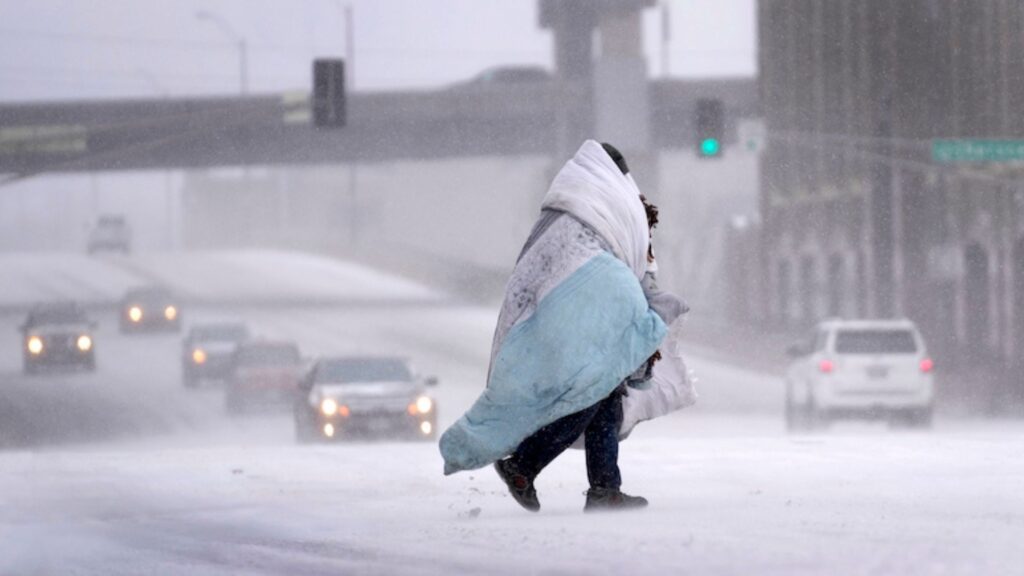
There are several types of winter storm events, each with unique characteristics and risks:
- Snowstorms: These involve heavy snowfall that can accumulate quickly and disrupt transportation.
- Ice storms: These occur when rain freezes upon contact, coating surfaces in ice and creating dangerous conditions.
- Blizzards: These are severe storms with strong winds and low visibility, often lasting for extended periods.
- Lake-effect storms: These develop when cold air moves over warmer bodies of water, producing localized but intense snowfall.
Understanding these types helps communities prepare more effectively.
Major Impacts on Daily Life and Infrastructure
A winter storm can have immediate and widespread effects on daily life. Transportation systems are often the first to be disrupted, with roads becoming slippery and unsafe. Flights may be delayed or canceled, and public transit systems can come to a halt.
Power outages are another significant impact. Ice buildup and strong winds can damage power lines, leaving homes without electricity or heating. This creates additional challenges, especially during prolonged cold conditions.
Schools, offices, and businesses may close during severe weather, leading to interruptions in productivity and daily routines. These disruptions highlight how deeply a winter storm can affect modern life.
Economic and Environmental Consequences
The economic cost of a winter storm can be substantial. Damage to infrastructure, increased energy demand, and lost business activity all contribute to financial losses. Recovery efforts often require significant resources and time.
Environmental impacts can also be severe. Ice accumulation can damage trees and natural habitats, while heavy snowfall can alter local ecosystems. In some cases, wildlife struggles to find food and shelter during prolonged cold periods.
These combined effects demonstrate that a winter storm is not just a temporary inconvenience but a complex event with lasting consequences.
Health Risks During Severe Cold Events
A winter storm poses serious health risks, especially for vulnerable populations. Exposure to extremely low temperatures can lead to hypothermia, a condition where the body loses heat faster than it can produce it. Frostbite is another risk, affecting exposed skin in freezing conditions.
Slippery surfaces increase the likelihood of injuries, such as fractures and sprains. Additionally, limited access to healthcare during severe weather can worsen existing medical conditions.
Staying warm, avoiding unnecessary outdoor exposure, and maintaining access to essential supplies are critical steps in reducing health risks.
Climate Change and Changing Storm Patterns
Climate change has introduced new uncertainties in winter weather patterns. While global temperatures are rising, extreme cold events and intense winter storm activity still occur. In some cases, warmer air holds more moisture, leading to heavier snowfall when temperatures drop.
Unusual weather patterns have been observed in regions that historically experienced milder winters. This shift suggests that winter storms may become less predictable, requiring better forecasting and preparedness strategies.
Understanding these changes is essential for adapting to future weather challenges.
Preparedness and Safety Measures
Preparation is the most effective way to reduce the risks associated with a winter storm. Individuals should ensure they have essential supplies, including food, water, and warm clothing. Homes should be properly insulated to retain heat during cold conditions.
Avoiding travel during severe weather is strongly recommended, as road conditions can deteriorate quickly. Staying informed through weather updates allows individuals to respond promptly to changing conditions.
Communities also play a role by maintaining infrastructure, clearing roads, and providing emergency support when needed.
Future Outlook and Risk Management
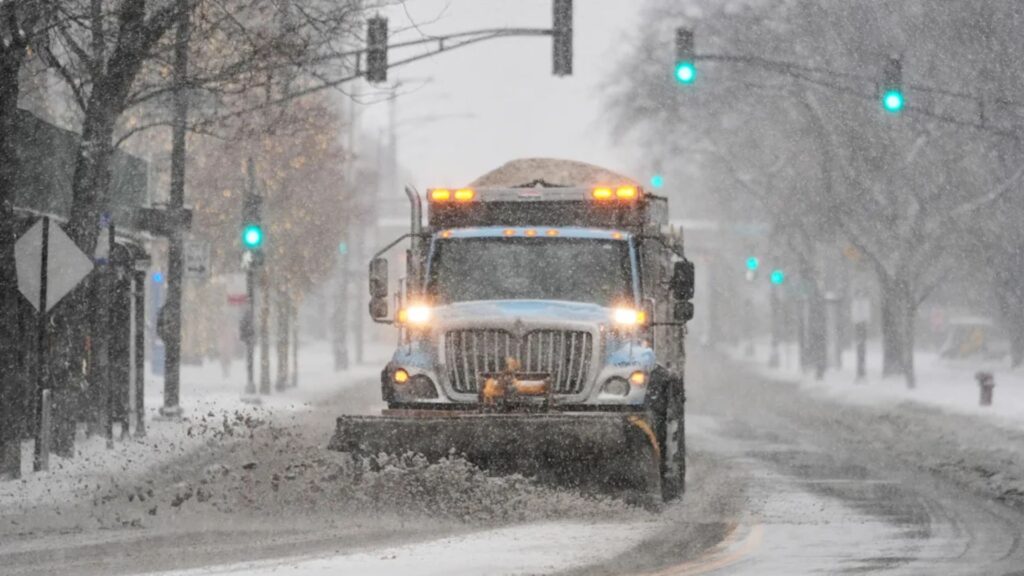
The future of winter storm management depends on improved planning and resilience. Advances in weather forecasting technology are helping predict storms more accurately, allowing for earlier warnings and better preparation.
Urban development must consider extreme weather risks to ensure infrastructure can withstand severe conditions. Investing in resilient systems and public awareness can significantly reduce the impact of future storms.
By taking proactive measures, societies can better cope with the challenges posed by winter weather.
Conclusion
A winter storm is a powerful natural event that affects multiple aspects of life, from transportation and health to the economy and environment. By understanding its causes and impacts, individuals and communities can take steps to prepare effectively. As weather patterns continue to evolve, the importance of readiness and resilience will only grow.
FAQs
What is a winter storm?
A winter storm is a weather event that includes snow, ice, or freezing rain along with cold temperatures and sometimes strong winds.
What causes a winter storm?
It occurs when cold air meets warm, moist air, causing precipitation to freeze and fall as snow or ice.
Why is a winter storm dangerous?
It creates hazardous conditions such as icy roads, poor visibility, power outages, and health risks like hypothermia.
How can I prepare for a winter storm?
Prepare by stocking essential supplies, insulating your home, monitoring weather updates, and avoiding unnecessary travel.
Are winter storms affected by climate change?
Yes, changing climate patterns can influence the intensity and behavior of winter storms, making them less predictable.
