
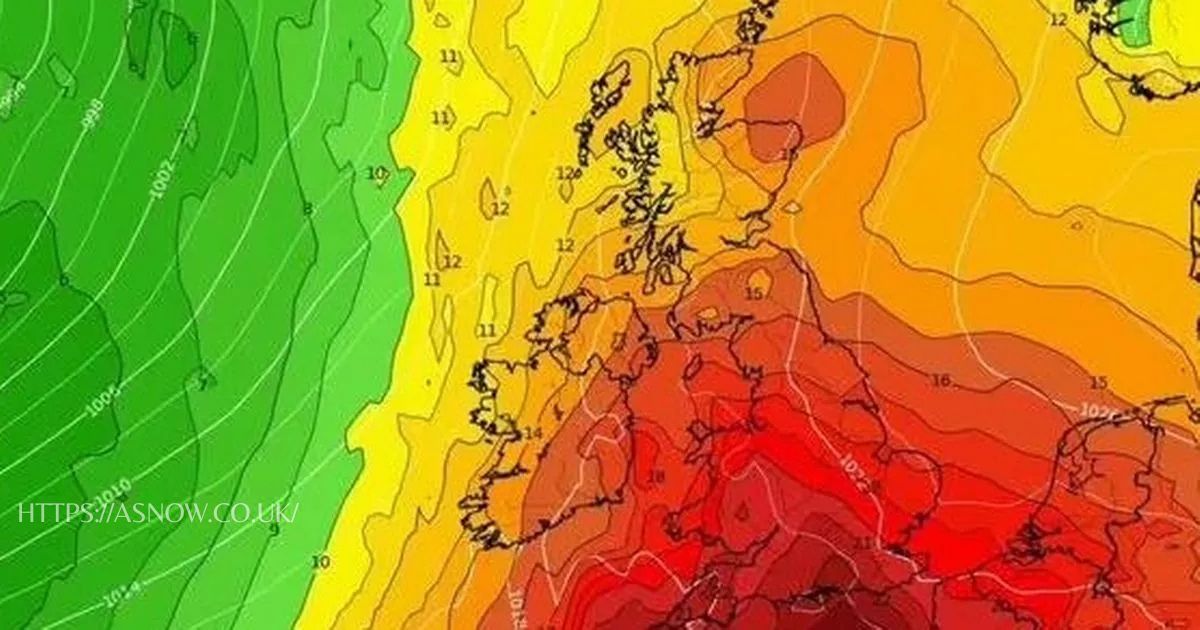
The UK August heatwave has become one of the most discussed weather events in recent years, highlighting how the country is shifting into a new climate reality. Once known for mild, unpredictable summers, the UK is now experiencing episodes of intense and prolonged heat. This heatwave was not just a warm spell; it was a sign of how future summers may unfold if long-term climate trends continue. Understanding what caused the heatwave, how it affected daily life, and what it means for future resilience is essential for communities, planners, and policymakers.
What Happened During the UK August Heatwave
The UK August heatwave brought persistent high temperatures, unusually long hours of sunshine, and widespread dry conditions. Many regions experienced hotter-than-average days, with temperatures remaining elevated even during the nights. Central and southern areas saw the most intense heat, with several days reaching or exceeding peak summer thresholds. Rainfall was much lower than normal in many parts of England, while some northern regions remained closer to average.
These unusual patterns created a noticeable contrast between areas experiencing extreme dryness and others dealing with brief but intense storms. Overall, the month illustrated how weather patterns are becoming more complex, with heatwaves appearing alongside sudden shifts in wind and rainfall across different regions.
Atmospheric and Environmental Drivers Behind the Heat
At the heart of the heatwave was a strong high-pressure system that hovered over the UK for an extended period. High-pressure patterns trap warm air close to the ground, reduce cloud cover, and create conditions where heat accumulates day by day.
Warm seas surrounding the UK added to the intensity of the heat. Higher sea temperatures contributed to elevated humidity and prolonged warm nights. This meant that the heat did not dissipate easily, making the heatwave more uncomfortable and potentially more dangerous for vulnerable groups.
In addition, dry soils from earlier seasonal rainfall deficits amplified the warming process. When soil moisture is low, the sun’s energy heats the ground instead of evaporating water, causing temperatures to rise faster and feel stronger. This combination of warm seas, persistent high pressure, and dry land created the ideal conditions for a powerful and long-lasting heatwave.
How Climate Change Is Intensifying UK Heatwaves
Heatwaves in the UK are no longer rare events. Climate researchers have shown that human-driven warming has made record-breaking summers dramatically more likely. The UK has already experienced several of its hottest summers within the 21st century, and climate patterns indicate that average temperatures will continue rising.
This means that even average summers are now warmer than what used to be considered hot decades ago. Heatwaves are also becoming more intense, longer, and more widespread. The UK August heatwave is part of this larger trend, showing how climate change is reshaping seasonal patterns and influencing extremes.
Scientific studies consistently point out that without global warming, such heat events would be far less probable. As greenhouse gas concentrations continue rising, the likelihood of similar and even more severe heatwaves will increase throughout the century.
Impacts on Health, Communities, and Infrastructure
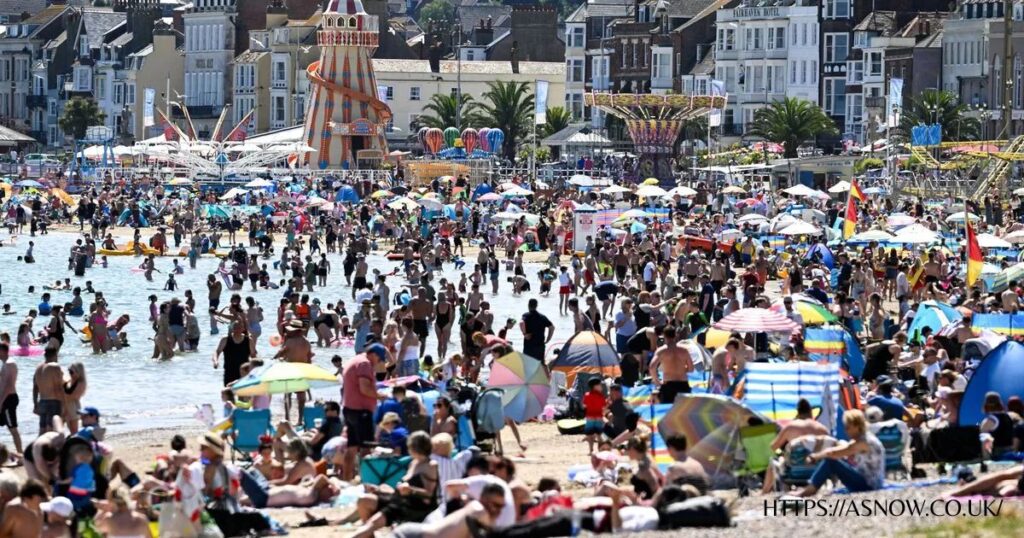
Heatwaves have real consequences, and the UK August heatwave was no exception. Health services issued multiple alerts to warn the public about the risks of extreme temperatures. Older adults, children, and individuals with existing health conditions were particularly vulnerable. Dehydration, heat exhaustion, and heat-related stress increased during the hottest days.
Communities also felt the strain on infrastructure. Roads softened, rail tracks were monitored for warping, and power systems experienced higher demand due to increased use of cooling appliances. Water companies faced pressure as consumption rose and natural water levels declined in dry regions. Some areas prepared for supply restrictions as reservoirs dropped and soil moisture decreased sharply.
Environmental and Agricultural Effects
Nature reacts quickly to intense heat. Crops struggled under limited water availability, and some farms experienced reduced yields due to stress from both heat and dryness. Grasslands turned brown in many regions, and river levels dropped, affecting aquatic environments.
Wildlife also faced challenges. Prolonged heat can disrupt feeding patterns, reduce water availability, and cause habitat stress. Trees and plants may suffer long-lasting impacts if exposed to repeated heatwaves without adequate rainfall or soil moisture. These effects highlight how extreme heat can ripple across entire ecosystems.
Who Is Most at Risk During Extreme Heat
While heatwaves affect everyone, certain groups face higher levels of danger:
- Older adults, especially those living alone
- People with chronic health conditions
- Young children, who dehydrate faster
- Outdoor workers, exposed to direct sunlight for long hours
- Urban residents, where concrete and buildings trap more heat
- Regions with low rainfall, where cooling is limited
Urban areas often become heat hotspots due to what is known as the urban heat island effect, making nights especially challenging for individuals who do not have access to cooling systems.
Preparing for Hotter UK Summers
As heatwaves become more common, preparation is essential. Public health services are improving alert systems, helping people recognize when temperatures become dangerous. Communities are encouraged to check on vulnerable neighbors, maintain hydration, and avoid unnecessary outdoor activity during peak heat.
Urban planning also plays an important role. Expanding green spaces, planting more trees, improving building ventilation, and designing cooler streets can help reduce heat buildup. Water systems must also be adapted to handle fluctuating demand and unpredictable rainfall patterns.
Better housing insulation, shading structures, and reflective materials can also help reduce indoor temperatures, making homes safer during extreme heat.
What the Future Holds for UK Heatwaves
The UK’s climate future will likely include more frequent and intense heatwaves like the August event. Rising global temperatures will continue to drive these changes unless strong action is taken to limit warming. Even with significant climate mitigation, adaptation planning is crucial to protect communities, agriculture, and infrastructure.
Future summers could see longer periods of extreme heat, more frequent heat-health alerts, and increased pressure on essential services. Understanding heatwaves today helps shape a safer, more resilient future.
Conclusion
The UK August heatwave was a powerful reminder of how rapidly the climate is changing. Driven by a mix of atmospheric factors and amplified by long-term warming, it brought widespread impacts across health, infrastructure, agriculture, and the natural environment. As heatwaves become a more regular part of UK summers, preparedness and adaptation will be essential tools for building a safe and resilient future. The lessons from the August heatwave provide a foundation for improving response systems, strengthening communities, and understanding the challenges ahead.
FAQs
What causes heatwaves like the UK August heatwave?
Heatwaves form when persistent high-pressure systems trap warm air, reduce cloud cover, and allow heat to build for several days or weeks.
Why are UK heatwaves becoming more common?
Climate warming has increased the likelihood and intensity of heatwaves, making extreme summer temperatures far more frequent than in the past.
Who is most vulnerable during extreme heat?
Older adults, children, individuals with pre-existing health conditions, and people living in dense urban areas face the highest risks.
How do heatwaves affect infrastructure?
Extreme heat can soften roads, stress power systems, disrupt rail travel, and place pressure on water supplies.
What steps can communities take to stay safe?
Staying hydrated, limiting outdoor exposure, checking on vulnerable individuals, and using shading or ventilation can reduce heat-related risks.
